Translate to your Mother Tongue and Enjoy my Articles

Showing posts with label Cardiovascular fitness. Show all posts

Wednesday, August 16, 2023

Best Exercise for Preventing Heart Attacks: Insights from Harvard Research


In the hustle and bustle of modern life, the importance of physical activity often takes a backseat, leading to sedentary lifestyles that contribute to a myriad of health issues. The rise in conditions such as obesity, type 2 diabetes, and cardiovascular diseases is alarming, with heart attacks and strokes affecting even younger individuals.


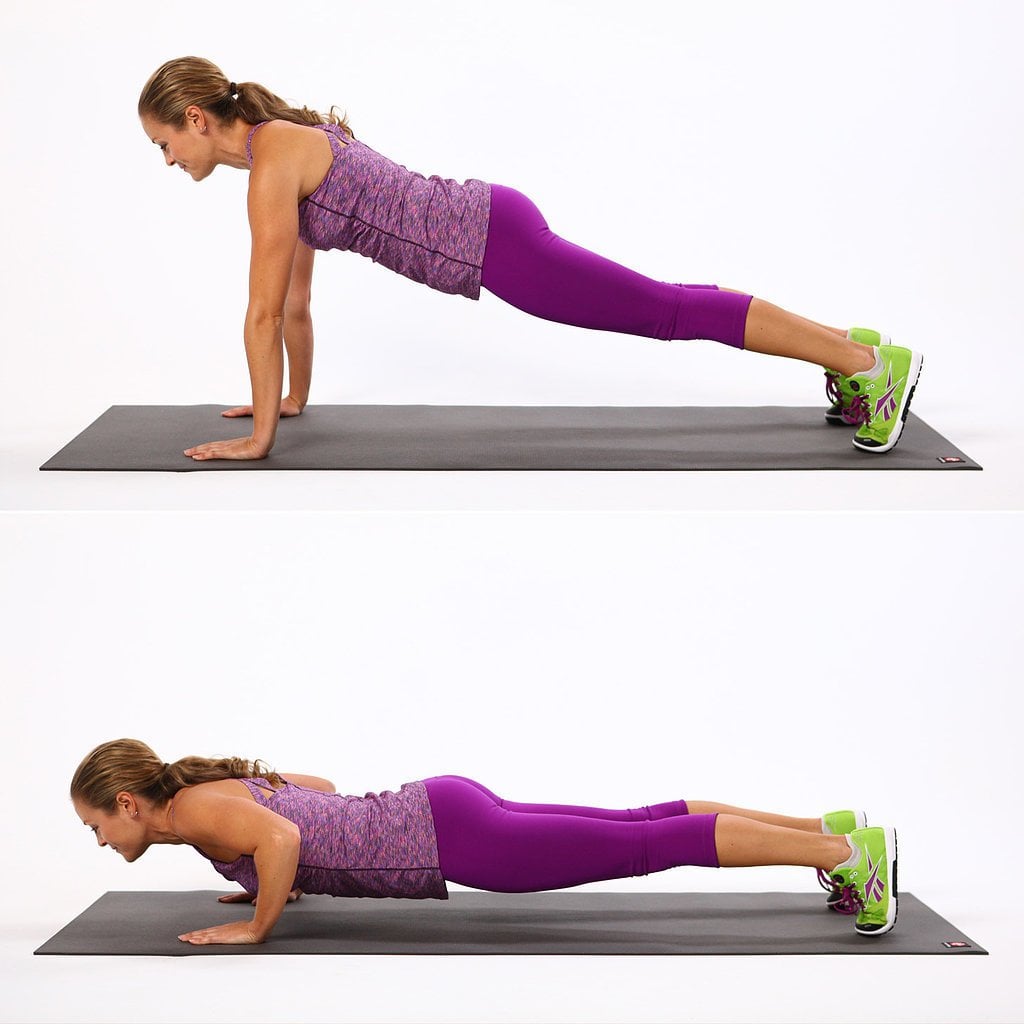
The risk of heart-related problems tends to escalate after the age of 40. However, the silver lining lies in regular exercise, with certain activities proving exceptionally effective in reducing the risk of heart attacks. A study conducted by the Harvard School of Medicine highlights the role of push-ups in decreasing the likelihood of severe cardiovascular conditions.


The Push-Up Advantage: Harvard's Findings


Published in the Jama Network, the study led by the Harvard School of Medicine delved into the benefits of push-ups and explored the timing and frequency of these exercises. The participants of the study were individuals from the fire brigade, and the results they yielded were enlightening. The study found that individuals capable of completing 40 push-ups in just 30 seconds exhibited a significantly lower risk of heart attacks, heart failure, and other cardiovascular issues over the next decade. On the contrary, those who managed fewer than 10 push-ups in the same timeframe showed a heightened susceptibility to heart attacks.


The Mechanism Behind Push-Up Benefits


Push-ups engage a multitude of muscle groups in the body, making them a comprehensive exercise. This engagement promotes flexibility and nerve liberation, ultimately leading to improved muscle function. The beauty of push-ups lies in their adaptability for home workouts, and they contribute to enhancing strength in various body parts. The exercise involves coordinated movement in the muscles of the arms, chest, hips, and legs. When performed moderately and consistently, push-ups positively impact heart health. Regular practice of push-ups enhances the heart’s resilience to stress, thereby increasing its capacity to withstand challenging situations, ultimately leading to the normalization of blood pressure.


The Importance of Awareness and Safety


While push-ups offer significant benefits for heart health, it's imperative to consider your body's capacity, especially if you're over 40. Prior to embarking on a push-up regimen, it's recommended to evaluate whether your heart can withstand the pressure of this exercise. The Treadmill Test (TMT) serves as a crucial tool for this purpose. For a 40-year-old individual,  the heart rate during exercise should not surpass 180 beats per minute. Crossing this threshold might elevate the risk of sudden heart attacks. Therefore, seeking professional medical advice and undergoing necessary tests becomes imperative to ensure your safety.


Incorporating Push-Ups into Your Routine: Practical Steps


If you're considering adding push-ups to your fitness regimen to boost heart health, here's a step-by-step guide to get you started:


Consultation with a Medical Professional: Before starting any new exercise routine, especially if you have any underlying health conditions or are above 40, consult a doctor. A medical professional can assess your health and provide personalized recommendations.


Assessing Your Current Fitness Level: It's essential to gauge your current fitness level before jumping into push-ups. Begin with a few repetitions and gradually increase the intensity over time.


Proper Form: Maintaining proper form is crucial to prevent injuries. Start with modified push-ups (knees on the ground) if you're a beginner and progress to standard push-ups as your strength improves.


Warm-Up and Cool Down: Like any exercise, warming up before push-ups and cooling down after is essential. Engage in light cardiovascular activities and stretches to prepare your muscles.


Gradual Progression: Avoid rushing into high-intensity push-ups right away. Gradually increase the number of repetitions and sets as your body adapts.


Rest and Recovery: Allow your muscles time to recover between push-up sessions. Overtraining can lead to fatigue and injury.


Balanced Diet: Combine your exercise routine with a balanced diet rich in nutrients. A healthy diet complements the benefits of exercise for heart health.


Consistency: Consistency is key when it comes to reaping the rewards of any exercise. Set a realistic schedule and stick to it.


Conclusion: Prioritizing Heart Health Through Push-Ups


In a world where sedentary lifestyles and unhealthy eating habits contribute to a surge in heart-related ailments, the significance of regular exercise cannot be overstated. The Harvard School of Medicine's study on push-ups serves as a beacon of hope, offering a simple yet effective solution to reduce the risk of heart attacks and other cardiovascular conditions. Push-ups, with their comprehensive engagement of multiple muscle groups, not only enhance strength but also foster heart resilience and blood pressure normalization.


However, it's crucial to approach this exercise regimen with awareness and caution, especially for those above 40. Seeking medical guidance and following a gradual progression plan ensures that you reap the benefits of push-ups while prioritizing your safety and well-being. So, lace up your sneakers, consult your doctor, and embark on a journey towards a healthier heart through the power of push-ups.

Preventing Heart Attacks: A Comprehensive Approach to Exercise and Diet


A heart attack, a critical event resulting from the obstruction of blood flow to the heart due to clots or plaques, can lead to severe damage to the heart muscle and even fatal outcomes if not treated promptly. The good news is that embracing certain lifestyle changes can significantly mitigate the risk of heart attacks and enhance cardiovascular health. This article delves into the intricacies of the most effective exercise and dietary strategies to thwart heart attacks, offering a range of examples under various headings.


The Role of Exercise


Exercise is unequivocally one of the most potent means to avert heart attacks, as it bolsters the heart's strength, reduces blood pressure, enhances blood circulation, curbs cholesterol levels, and promotes weight management. The American Heart Association recommends that adults strive for a minimum of 150 minutes of moderate-intensity aerobic exercise, or 75 minutes of vigorous-intensity aerobic exercise per week, or a combination of both. Several exemplars of aerobic exercises include:


Walking: Walking emerges as a straightforward and low-impact exercise that can be seamlessly incorporated into any schedule. It exercises a transformative influence on heart attack prevention by burning calories, uplifting mood, and ameliorating stress. Commencing with a daily 10-minute walk paves the way to gradual escalation in both duration and intensity. Walking also furnishes the heart with added advantages:


Amplifying oxygen delivery to the heart and vital organs

Elevating blood vessel function and elasticity

Mitigating blood clot susceptibility and inflammation

Diminishing resting heart rate and blood pressure

Running: Running, a high-intensity endeavor, fuels cardiovascular fitness, enhances muscle robustness, and refines endurance. It is also instrumental in reducing blood pressure, cholesterol levels, and inflammation. Initial forays can involve alternating short running intervals with walking, with a gradual progression to greater speed and distance. Running further engenders benefits for the heart by:


Increasing cardiac output and stroke volume

Elevating heart muscle contractility and efficiency

Facilitating the development of new blood vessels and capillaries

Boosting "good" cholesterol (HDL) and curtailing "bad" cholesterol (LDL)

Cycling: Cycling, a gentle impact pursuit, targets the heart, lungs, and lower limbs. It shields against heart attacks by refining blood flow, regulating blood sugar, and trimming body fat. Whether cycling outdoors or on a stationary bike, the advantages of this activity for heart health are multi-fold:


Augmenting aerobic capacity and endurance

Enhancing insulin sensitivity and glucose metabolism

Lowering visceral and abdominal fat

Mitigating triglyceride levels and markers of inflammation

Swimming: Swimming emerges as an all-encompassing workout that fosters muscle toning, respiratory improvement, and enhanced flexibility. It proves instrumental in curtailing blood pressure, cholesterol, and stress hormones. Whether in pools, lakes, or oceans, the incorporation of different strokes like freestyle, breaststroke, or backstroke reaps remarkable heart benefits:


Expanding lung capacity and ventilation

Enhancing blood oxygen saturation and hemoglobin levels

Diminishing arterial rigidity and vascular resistance

Lowering cortisol and adrenaline levels

The Crucial Role of Diet


Diet constitutes another pivotal facet in the arsenal against heart attacks. Adopting a well-rounded and nutritious diet supplies the body with indispensable vitamins, minerals, antioxidants, and fiber that underpin optimal functioning. The American Heart Association advocates for a diet inclusive of diverse fruits, vegetables, whole grains, lean proteins, healthy fats, and low-fat dairy items. Simultaneously, it cautions against excessive consumption of salt, sugar, saturated fat, trans fat, and alcohol. Various examples of heart-healthy foods encompass:


Fruits: Laden with antioxidants, vitamins, minerals, and fiber, fruits stand as staunch defenders against heart damage and inflammation. Their impact spans across blood pressure, cholesterol, and blood sugar levels. An array of heart-supportive fruits includes apples, bananas, berries, citrus fruits, grapes, kiwis, melons, and pears.


Vegetables: Sharing the same robustness in antioxidants, vitamins, minerals, and fiber, vegetables play a significant role in boosting the immune system, detoxifying the body, and abating oxidative stress. Their salutary effect extends to blood pressure, cholesterol, and blood sugar control. Notable heart-nurturing vegetables encompass broccoli, carrots, celery, cucumber, garlic, leafy greens, onions, peppers, potatoes, spinach, and tomatoes.


Whole Grains: Rich in complex carbohydrates, whole grains constitute a wellspring of energy, fiber, and nutrients. They excel in minimizing cholesterol, blood sugar, and blood pressure. Furthermore, they confer a sense of satiety, thus discouraging overeating. Examples of heart-advantageous whole grains include barley, brown rice, buckwheat, oats, quinoa, and whole wheat bread.


Lean Proteins: Vital for muscle, organ, and tissue building and repair, lean proteins assume a pivotal role in maintaining muscle mass, fortifying the immune system, and regulating hormones. They also contribute to prolonged satiety and appetite control. Noteworthy heart-friendly sources of lean protein consist of chicken, turkey, fish, eggs, tofu, beans, lentils, and nuts.


Healthy Fats: These unsaturated fats provide essential energy, fatty acids, and vitamins to the body. By bettering cholesterol levels, reducing inflammation, and supporting cognitive function, healthy fats stand as guardians against heart attacks. They also aid in the absorption of fat-soluble vitamins A, D, E, and K. Avocado, olive oil, canola oil, flaxseed, chia seed, walnuts, almonds, and salmon exemplify sources of heart-nourishing healthy fats.


Conclusion


The prevention of heart attacks hinges on the adoption of a health-conscious lifestyle. Regular exercise and a balanced diet are key elements in averting heart attacks and elevating overall health and well-being. Yet, it is vital to seek medical counsel prior to initiating any new exercise or dietary regimen and to swiftly seek medical intervention when faced with symptoms of a heart attack, such as chest pain, shortness of breath, nausea, sweating, or dizziness. By embracing these strategies, individuals can embark on a journey towards a heart-healthy life.

Beyond the Womb: Exploring the Brave New World of Artificial Wombs

 As I flipped through the morning newspaper, a particular report grabbed my attention, uncovering a captivating yet intricate frontier in re...