Translate to your Mother Tongue and Enjoy my Articles

Showing posts with label India. Show all posts

Sunday, August 13, 2023

Amazon Alexa's 4-Year Fiesta: Multilingual Magic and Unstoppable Excitement in India!

 Amazon is beyond excited to mark the sensational four-year anniversary of Hindi and the incredibly versatile multilingual mode of Alexa in India! 🥳 This outstanding feature has taken the country by storm, captivating millions of customers nationwide. Picture this: effortlessly toggling between Hindi, English, and the lively Hinglish while chatting with Alexa without any pesky language setting changes.


Staggering Stats That Speak for Themselves!


Hold on tight because the numbers are in, and they're nothing short of spectacular! Can you believe that nearly half of Amazon's fantastic Indian customers have embraced the multilingual magic, using the incredible Indian-English/Hindi mode to converse with their Alexa-powered Echo smart speakers? And guess what? This preference has soared by a remarkable 21% in just the past year!


Alexa's All-Round Performer in Every Home!


Indians are unleashing the full potential of Alexa, employing it for a multitude of tasks that range from grooving to tunes, handling bills with a snap, uncovering culinary wonders, catching up on the latest news, and effortlessly managing smart homes. But here's the real twist – Alexa is more than just a gadget, it's a dynamic voice assistant, a true conversational companion. Indians are engaging in lively dialogues, keen to know everything from Alexa's quirks to her personal favorites and even her playful dislikes.


Unlocking the Charm of Conversations with Alexa!


Curious about what makes Indians tick when they chat with Alexa? Buckle up, because the questions pouring in are as diverse and captivating as the rich Indian culture itself. From checking in on Alexa's well-being and her take on the weather, to requesting iconic Bollywood dialogues and uncovering her top cricket superstar – they're keeping Alexa on her virtual toes! Alexa's also become the ultimate oracle for the freshest Bollywood beats, Delhi's weather forecasts, and cosmic explorations of the universe and horoscopes.


A Symphony of Music Requests, Alexa's Expertise Unveiled!


Here's a real earworm for you – Amazon spills the beans that Alexa comprehends song requests in over 50 distinct ways! Talk about keeping the melodies flowing, especially during the festive bonanza of Diwali and Ganesh Chaturthi – it's like Alexa's orchestrating the ultimate party!


Unleash the Multilingual Magic with Alexa!


But wait, the best part is just around the corner – activating the brilliant multilingual mode in Alexa is a piece of cake. Simply utter "Alexa" or give that Echo device's wake button a gentle press, then effortlessly command "Alexa, speak in English and Hindi" or perhaps "Alexa, Hindi aur English bolo," and abracadabra! Alexa's your new linguistic chameleon. Feeling tech-savvy? You can also fine-tune the settings via the Alexa app. It's like magic at your fingertips!


A Glimpse into the Future, Straight from Amazon's Expert!


Hold onto your excitement, because Dilip R.S., the unstoppable Country Manager for Alexa at Amazon India, is beaming with pride. He's absolutely thrilled to witness how Indian customers have embraced Alexa and its intuitive knack for understanding their requests. And guess what? Amazon's dynamism is in full swing! They're committed to making Alexa even smarter, continuously adapting to the ever-evolving needs of the vibrant Indian community.


So, let's all raise a toast – here's to an incredible four years of Hindi and the dynamic multilingual mode of Alexa in India! 🎉🎉🎉


Sunday, August 6, 2023

India's Smartphone Revolution: Lava Blaze 5G Introduces 8GB RAM Variant at Unbeatable Price!

In the fast-paced world of smartphones, innovation is constant, and tech enthusiasts are always on the lookout for the latest and greatest devices. While flagship smartphones often grab the headlines with their cutting-edge features and premium price tags, the budget segment has also seen significant advancements in recent years. Catering to the needs of budget-conscious consumers who seek powerful performance without breaking the bank, Lava, a renowned Indian smartphone manufacturer, has launched an updated variant of its popular Lava Blaze 5G smartphone. The new variant comes with a whopping 8GB of RAM and several other noteworthy features, making it an attractive option for users looking to upgrade their devices without spending a fortune.


The Lava Blaze 5G: From 4GB to 8GB RAM


Initially launched with 4GB of RAM in November last year, the Lava Blaze 5G quickly garnered attention for its affordability and impressive specifications. Building upon its success, Lava now introduces a refreshed variant featuring 8GB of RAM. This significant RAM boost allows for smoother multitasking, faster app launches, and an overall improved user experience. The 8GB RAM variant is powered by the capable MediaTek Dimensity 700 SoC, which ensures that the device can handle everyday tasks and even some light gaming with ease.


Android 13 Out-of-the-Box and Virtual RAM Expansion


One of the most enticing aspects of the updated Lava Blaze 5G is that it now comes with Android 13 out-of-the-box. This means users can enjoy the latest features and security enhancements offered by the newest iteration of Android.


Another exciting feature is the support for RAM expansion technology, offering up to 8GB of virtual RAM. This innovative technology allows the device to allocate unused internal storage as additional RAM, further enhancing its multitasking capabilities. This virtually expanded RAM allows users to switch between apps seamlessly and run resource-intensive applications without any hiccups.


Stylish Design and Affordable Pricing


The Lava Blaze 5G 8GB RAM variant retains the sleek design and attractive aesthetics of its predecessors. It comes in two eye-catching color options: Glass Green and Glass Blue. The device features a 6.51-inch HD+ IPS LCD display with a 90Hz refresh rate, ensuring smooth scrolling and a more responsive user interface.


Despite its powerful specifications and advanced features, Lava manages to keep the price of the Lava Blaze 5G 8GB RAM variant below Rs. 15,000, making it an enticing option for budget-conscious consumers. The device is competitively priced at Rs. 12,999, making it a compelling choice for those seeking a feature-rich smartphone at an affordable price point.


Impressive Camera Setup and Long-lasting Battery


The Lava Blaze 5G doesn't compromise on camera performance either. Equipped with a triple camera setup at the back, led by a 50-megapixel main camera with electronic image stabilization (EIS) support, the device delivers sharp and clear images. For selfie enthusiasts, there's an 8-megapixel front camera that captures stunning self-portraits.


Powering the device is a robust 5,000mAh battery that supports USB Type-C charging. This large battery capacity ensures that users can go through their day without worrying about constant recharging.


Connectivity and Final Thoughts


In terms of connectivity, the Lava Blaze 5G offers a comprehensive range of options, including 5G, Wi-Fi, Bluetooth 5.1, GPS, and a 3.5mm audio jack, catering to the diverse needs of modern smartphone users.


In conclusion, the Lava Blaze 5G 8GB RAM variant presents a compelling proposition for budget-conscious consumers in India. With its powerful performance, impressive camera setup, sleek design, and affordable price, the Lava Blaze 5G aims to redefine the budget smartphone segment. Whether you're a student, a professional, or someone looking for an affordable yet capable smartphone, the Lava Blaze 5G 8GB RAM variant deserves serious consideration. With Lava's commitment to delivering reliable and feature-packed smartphones, the Blaze 5G 8GB RAM variant is undoubtedly a strong contender in its price range, offering excellent value for money. 

Thursday, July 20, 2023

OnePlus: Redefining Mobile Technology in India


In the ever-evolving landscape of mobile technology, one brand has consistently stood out for its commitment to innovation, affordability, and a seamless user experience - OnePlus. From its global inception, OnePlus has garnered widespread acclaim for its cutting-edge devices that strike a perfect balance between high-end features and competitive pricing. Ever since it set foot in the vast and highly competitive market of India, OnePlus has taken the nation by storm, leaving an indelible mark that is visible to all.


A Global Sensation Arrives in India


With its ambitious vision, OnePlus entered the Indian mobile market, poised to take on established giants in the industry. From the very beginning, the brand set out to challenge the norms and redefine the smartphone experience for Indian consumers. OnePlus quickly captured the attention of tech enthusiasts and casual users alike with its aggressive marketing strategies, unique brand identity, and a philosophy that prioritizes user feedback and satisfaction.


Affordable Excellence


One of the most significant factors that set OnePlus apart from the competition is its ability to offer top-of-the-line technology at prices that are remarkably competitive. In a market where premium smartphones often come with a hefty price tag, OnePlus disrupted the status quo by making high-end features accessible to a broader audience.


The brand's approach to providing flagship-level specifications without compromising on quality has struck a chord with the Indian consumer base. By understanding the pulse of the market and listening to customer demands, OnePlus consistently delivers devices that meet and exceed expectations, thereby creating a loyal fanbase.


The OnePlus Nord Series: A Step Further


The recently held Summer Launch Event by OnePlus showcased the brand's commitment to continuous improvement and expansion. The unveiling of the new OnePlus Nord series has left enthusiasts eagerly awaiting the products' arrival in stores.


The Nord series has gained immense popularity for its focus on delivering a premium experience in a more affordable package. With a diverse range of products under the Nord umbrella, OnePlus is catering to a wider audience with varying needs and budget considerations.


The Nord series' expansion indicates OnePlus's dedication to diversifying its offerings and appealing to an even larger consumer base. This strategic move allows the brand to target various market segments while maintaining its reputation for providing exceptional value for money.


Embracing Innovation


Innovation has been the cornerstone of OnePlus's success. The brand consistently incorporates the latest advancements in mobile technology into its devices, ensuring that users stay ahead of the curve. From flagship processors to cutting-edge camera systems and high-refresh-rate displays, OnePlus devices consistently deliver a premium user experience.


Furthermore, OnePlus maintains an active presence in the developer community, encouraging third-party development and customization. This approach has not only cultivated a thriving community of tech enthusiasts but has also allowed users to personalize their devices to suit their preferences fully.


Community-Driven Approach


Perhaps one of the most remarkable aspects of OnePlus's journey in India is its community-driven approach. The brand has fostered a strong bond with its users, encouraging an open dialogue and actively incorporating user feedback into the development process. This strategy has created a sense of ownership and belonging among OnePlus users, who feel like they are an integral part of the brand's growth and success.


The OnePlus community is vibrant and engaged, regularly participating in events, product launches, and discussions. This unique relationship between the brand and its customers has not only contributed to word-of-mouth marketing but has also helped OnePlus in refining its products based on real-world experiences.


OnePlus's journey in the Indian mobile market is a testament to its unwavering commitment to providing exceptional technology at competitive prices. Through a combination of innovation, affordability, and a community-driven approach, OnePlus has emerged as a dominant force in the Indian smartphone industry.


As the brand continues to expand its product lineup and explore new avenues, its impact on the market is sure to remain significant. With the Nord series promising to build on the brand's reputation for excellence, OnePlus is set to redefine the smartphone experience for users in India and beyond. As tech enthusiasts eagerly await the arrival of the latest Nord products in stores, it is clear that OnePlus is well on its way to solidifying its position as a global leader in mobile technology.

One of the most anticipated moments during the Summer Launch Event was the grand unveiling of the next generation of OnePlus Nord devices, headlined by the OnePlus Nord 3 5G, a highly anticipated sequel to the smash-hit OnePlus Nord. Alongside the Nord 3 5G, the event showcased a spectacular lineup of new offerings, including the OnePlus Nord 2, OnePlus Nord 2T, OnePlus Nord Buds 2r, OnePlus Nord CE 3, and the cutting-edge OnePlus Bullets Wireless Z2 ANC. This diverse array of products further cements OnePlus's commitment to delivering top-notch technology across different categories, catering to a wide range of consumer preferences. The event left enthusiasts and tech-savvy users thrilled and eager to experience the latest innovations from the trailblazing brand.

Saturday, June 24, 2023

Revolutionizing India's Semiconductor Landscape: Micron's Game-Changing Chip Assembly Project Ignites Growth in Gujarat


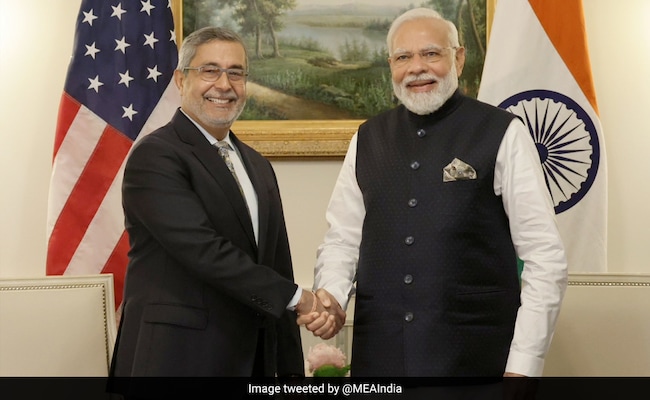
CEO of United States based Chip Manufacturer Micron Technology, Sanjay Mehrotra with the Prime Minister of India, Mr Narendra Modi during the latter's first State visit to the USA


Micron's Expansion in India Marks Major Milestone in Semiconductor Manufacturing

Micron Technology, a leading global semiconductor company, has announced its plans to establish a chip assembly and packaging unit in India, with further plans to set up a semiconductor manufacturing unit in the country. This move, according to Ashwini Vaishnaw, India's Minister of Communications and IT, signifies a natural evolutionary process for Micron and highlights the company's commitment to India's growing semiconductor industry. With the establishment of these units, Micron will have an end-to-end semiconductor manufacturing chain in India. This article delves into the details of Micron's expansion plans, the government's support for the semiconductor industry, and the potential implications for India's economy.

Micron's Investment and Timelines:

Micron's $2.75 billion chip packaging unit in Gujarat, India, will be the first step in its expansion plan. This facility will focus on chip assembly, testing, marking, and packaging (ATMP), and is expected to be operational by December 2024. Once fully operational, the plant aims to achieve an annual production worth $1 billion. Additionally, Vaishnaw revealed that six more semiconductor projects are expected to come up within the next year. This influx of investment and manufacturing capabilities will contribute significantly to India's semiconductor ecosystem.

Building a Complete Semiconductor Manufacturing Ecosystem:

According to Vaishnaw, the Indian government aims to develop a comprehensive semiconductor manufacturing ecosystem in the country. Initially, the focus is on establishing assembly, packaging, and testing units, which will eventually pave the way for the development of higher-level fabs. This approach mirrors the growth trajectory of the automobile industry, where the establishment of manufacturing plants led to the development of ancillary industries. The semiconductor industry is expected to follow a similar pattern, fostering a self-sustaining ecosystem.

Micron's Operations and the Manufacturing Process:

Micron's operations at the upcoming packaging unit in Gujarat will involve processing wafers into chips. While the company manufactures wafers at its existing facilities in Japan and China, these raw wafers will be processed into chips, packaged, and then distributed globally to industries that incorporate semiconductors into their products. The minister emphasized that this process is complex and requires specialized expertise, which Micron will provide at its upcoming unit in Gujarat.

Government Support and Incentive Schemes:

The Indian government has introduced a modified IT hardware production-linked incentive scheme to attract global information technology majors and semiconductor companies. Vaishnaw revealed that several major IT companies are expected to announce their investments soon under this scheme. The government's semiconductor incentive program offers a 50% subsidy to firms interested in setting up semiconductor units, with additional subsidies provided by state governments. The total investment for Micron's $2.75 billion project is reduced to $825 million due to the subsidy provided by the Gujarat government.

The Road Ahead:

While Micron's investment marks a significant milestone, it is just the beginning of India's ambitions in the semiconductor industry. The government aims to attract further investments and encourage the establishment of semiconductor manufacturing units. The success of this industry will not only create manufacturing jobs but also foster the growth of ancillary industries and position India as a prominent player in the global semiconductor market. The government is open to expanding the $10 billion incentive scheme if required, but the ultimate goal is to develop a self-sustainable ecosystem that does not rely solely on incentives.

Critical Viewpoint: Challenges and Considerations in Micron's Project for Microchip Assembly and Testing in Gujarat

While Micron's investment in setting up a microchip assembly and testing unit in Gujarat, India, is a significant development for the country's semiconductor industry, there are several challenges and considerations that need to be taken into account. These factors may impact the success and long-term sustainability of the project.

Technological Partnerships: Micron, as an established semiconductor company, does not require technological partnerships for its operations. However, newer companies entering the semiconductor business, such as Vedanta-Foxconn, may face hurdles in finding suitable technological partners with the necessary expertise. Building strong collaborations with experienced firms becomes crucial to ensure the successful transfer of technology and knowledge to promote indigenous semiconductor manufacturing.

Manufacturing vs. Assembly and Testing: Micron's project focuses on microchip assembly and testing rather than full-fledged manufacturing. While this is a significant step towards establishing a semiconductor ecosystem, the ultimate goal should be to move beyond assembly and testing and venture into manufacturing to achieve true self-sustainability. Encouraging indigenous chip manufacturing capabilities will require substantial investments in research and development, infrastructure, and skilled workforce development.

Raw Wafer Manufacturing: Currently, Micron does not have plans to manufacture raw wafers in India. Developing a robust semiconductor industry requires investments in all stages of the manufacturing process, including wafer fabrication. While the government's comprehensive approach to building the semiconductor ecosystem is commendable, it will be important to encourage companies like Micron to establish wafer manufacturing capabilities in India, reducing dependence on imports and strengthening the domestic supply chain.

Long-term Viability: The success of the semiconductor industry in India relies not only on initial investments but also on long-term viability. While the government's incentive schemes provide support and subsidies, it is essential to create an environment that fosters sustainable growth beyond the incentive period. The industry must be able to compete globally, attract investments, and develop a skilled workforce to ensure its continued success in the future.

Infrastructure and Supply Chain: Establishing a robust semiconductor industry requires a well-developed infrastructure and a resilient supply chain. Adequate power supply, logistics networks, research and development facilities, and specialized testing equipment are vital for efficient operations. Collaborations with educational institutions and research organizations can help bridge the skill gap and foster innovation in the semiconductor sector.

Conclusion:

Micron's decision to invest in microchip assembly and testing in Gujarat is a positive step toward strengthening India's semiconductor industry. However, to ensure long-term success and sustainability, it is crucial to address challenges such as technological partnerships, expanding manufacturing capabilities, promoting indigenous wafer fabrication, ensuring long-term viability beyond incentives, and developing a robust infrastructure and supply chain. By effectively addressing these considerations, India can establish itself as a prominent player in the global semiconductor market and reap the economic benefits associated with a thriving high-tech industry.

With the government's support through incentive schemes and a comprehensive approach to building a semiconductor ecosystem, India is poised to become a significant player in the global semiconductor market. As more companies join the semiconductor manufacturing landscape, India's economy is likely to witness substantial growth, generating employment opportunities and driving innovation in related industries.

India's Tech Revolution: Amazon, Google, and Microsoft Pour Billions into the Country's Thriving Technology Sector

Tech Giants Amazon, Google, and Microsoft Commit to Major Investments in India

Amazon, Google, and Microsoft have announced significant investments in India following Prime Minister Narendra Modi's recent state visit to the United States. These investments and technological collaborations aim to foster the growth of the Indian technology sector and highlight the country's potential as a thriving hub for innovation and development.

Amazon's Commitment to India's Growth

Amazon has pledged to invest an additional $15 billion in India over the next seven years, bringing the company's total investment in India across all businesses to $26 billion. During discussions with Prime Minister Modi, Amazon CEO Andy Jassy expressed the company's focus on supporting Indian startups, creating jobs, enabling exports, digitization, and empowering individuals and small businesses to compete globally. Furthermore, Amazon aims to digitize 10 million small businesses, facilitate $20 billion in exports, and generate two million jobs in India by 2025. The company has already made significant progress towards these goals, having digitized over 6.2 million small businesses, facilitated over $7 billion in exports, and created over 1.3 million direct and indirect jobs.

Google's Fintech Operation Center in Gujarat

Google has announced its plans to establish a global fintech operation center in Gujarat, India. Sundar Pichai, CEO of Google, revealed the company's commitment to invest $10 billion in India's digitization fund. This move showcases Google's recognition of the potential for growth and innovation in the Indian market. By opening a fintech operation center in Gujarat's GIFT City, Google aims to leverage India's thriving fintech ecosystem and contribute to the country's digital transformation.

Microsoft's Focus on Technological Advancements

During his meeting with Prime Minister Modi, Microsoft Chairman and CEO Satya Nadella discussed the power of technology, particularly Artificial Intelligence (AI), in improving the lives of Indians. Microsoft remains deeply committed to the growth of Indian technology, recognizing India as one of the most vibrant developer and startup ecosystems globally. The company recently launched Jugalbandi, a generative AI-driven chatbot, in India. This mobile-based chatbot, developed in collaboration with the government-backed initiative AI4Bharat and utilizing Microsoft Azure OpenAI Service, assists users in multiple languages, retrieving information and providing government assistance.

Tech Cooperation for Socio-Economic Growth

Prime Minister Modi's visit to the United States also involved a "Hi-Tech handshake" mega event at the White House, where he met with captains of industry from various sectors, including semiconductors, manufacturing, space, and start-ups. The event emphasized the immense potential of India-US tech cooperation for socio-economic growth. President Biden urged CEOs to expand the India-US tech partnership into new areas such as biotechnology and quantum technology. The presence of industry leaders like Tim Cook from Apple, Sundar Pichai from Google, and Satya Nadella from Microsoft highlights the significance of this collaboration.

Advancements in the Space Sector

India has signed the Artemis Accords for space exploration, highlighting its growing involvement and contribution to space research and exploration. The country's space agency, ISRO, is developing a strategic framework for human spaceflight cooperation with NASA. Additionally, during his visit, Prime Minister Modi met with SpaceX chief Elon Musk, further emphasizing India's interest in space technology and exploration.

Micron Technology's Semiconductor Assembly and Test Facility

Another notable announcement during Prime Minister Modi's visit was Micron Technology's commitment, in collaboration with India Semiconductor Mission, to establish a semiconductor assembly and test facility in Gujarat. This project, valued at $2.75 billion, demonstrates India's focus on bolstering its semiconductor manufacturing capabilities and fostering technological advancements.

Conclusion

The commitments made by Amazon, Google, and Microsoft, along with the collaborations and investments announced during Prime Minister Modi's visit to the United States, underscore India's potential as a thriving technology hub. These developments will not only spur economic growth but also empower Indian startups, digitize businesses, facilitate exports, and create job opportunities. The partnerships between Indian and international tech giants contribute to India's digital transformation and reinforce the country's position as a global player in the technology sector.

Saturday, June 17, 2023

Bharatmeta: India's Revolutionary Metaverse Platform Empowering Startups and Celebrating Culture


Bharatmeta: India's Metaverse Platform Taking the World by Storm!

Imagine stepping into a whole new world, where you can explore amazing places, interact with people, and experience lifelike adventures without leaving your home. That's the concept of the metaverse, a digital space that uses virtual reality and augmented reality to create immersive experiences. And guess what? India has made its mark in this exciting realm with a platform called Bharatmeta!

Bharatmeta Shines at VivaTech:

Recently, at the VivaTech event in Paris, Kiya.ai, an Indian company specializing in technology and artificial intelligence, unveiled Bharatmeta. It's the first metaverse platform of its kind from India, and it received a lot of attention and recognition at the event. VivaTech is a big gathering of technology and startup enthusiasts from all over Europe.

Connecting the Physical and Virtual Worlds:

Most metaverse platforms focus on gaming and virtual goods, but Bharatmeta is different. It goes beyond that and aims to connect real businesses with the metaverse. You might wonder how that works. Well, think about it this way: in Bharatmeta, you can not only play games and buy virtual items, but you can also buy and sell real products. So, businesses can use this platform to reach customers and sell their goods, both in the physical world and the virtual world.

For example, let's say you have a clothing store. With Bharatmeta, you can create a virtual version of your store where people can visit and browse through your collection. They can even try on virtual clothes before deciding to buy them. And if they like what they see, they can make a purchase either online or by visiting your physical store. Isn't that cool?

Practical Use Cases in Various Sectors:

Bharatmeta has practical applications in many sectors. One of them is banking. With Bharatmeta, you can have virtual banks where you can manage your money, make transactions, and even get financial advice. It's like having a bank inside the metaverse!

Another sector where Bharatmeta comes in handy is commerce. Imagine being able to visit a virtual marketplace where you can explore different shops, interact with sellers, and buy products. It's like going on a virtual shopping spree from the comfort of your own home.

Culture is also an important aspect of Bharatmeta. You can attend virtual concerts, visit art galleries, and even experience traditional festivals from different parts of India, all within the metaverse. It's a way to celebrate and showcase the rich cultural heritage of our country.

Collaboration is another key feature of Bharatmeta. You can work on projects with people from different parts of the world, attend virtual meetings and conferences, and collaborate on ideas and innovations. The possibilities are endless!

Bridging the Gap Between Physical and Virtual Realms:

Bharatmeta leverages India's strong digital infrastructure, which includes digital payments, open commerce systems, and digital identity systems. This helps bridge the gap between the physical and virtual realms, making it easier for businesses and individuals to participate in the metaverse.

Let's say you have a small business in a rural area. With Bharatmeta, you can set up a virtual shop and reach customers not just in your local area but also from other parts of India and even globally. This opens up new markets and opportunities for businesses, regardless of their location.

Celebrating Indian Culture in the Metaverse:

Bharatmeta also celebrates the rich culture of India. During the "Azadi Kaa Amrit Mahotsav," Bharatmeta displayed a virtual monument with the Indian flag hoisted on it. People from all over the world could visit the virtual space and witness this patriotic moment. It shows how Bharatmeta can be used to organize cultural events and celebrations within the metaverse, bringing people closer to their heritage.

Empowering Indian Startups:

The CEO of Kiya.ai, Rajesh Mirjankar, talked about the "India stack" and how it empowers Indian startups. The India stack refers to a set of digital public goods that provide a foundation for startups to innovate and grow. These digital public goods include things like digital payments, identity verification systems, and open commerce platforms. By leveraging these resources, startups can reach a global audience and thrive in the metaverse industry.

Impact on the Indian Economy:

The emergence of the metaverse industry in India can have a significant impact on the economy. It can create new job opportunities in sectors like virtual reality development, augmented reality design, and metaverse management. Businesses can expand their reach and find new customers both within India and globally. This boosts economic growth and encourages technological advancements in the country.

In Conclusion:

Bharatmeta has put India on the map in the metaverse technology landscape. It's a platform that connects the physical and virtual worlds, allowing businesses to thrive and individuals to explore immersive experiences. With practical applications in banking, commerce, culture, and collaboration, Bharatmeta opens up new possibilities for Indian startups and empowers them to succeed.

The inclusive nature of Bharatmeta ensures that people from all walks of life, whether in urban or rural areas, can participate and benefit from the metaverse. India's strong digital infrastructure and the visionary "India stack" provide a solid foundation for the growth of the metaverse industry, boosting the economy and fostering technological advancements. So get ready to step into the metaverse with Bharatmeta and experience a whole new world of possibilities!

Saturday, June 10, 2023

Tech Mahindra CEO Accepts Sam Altman's 'Challenge' to Build ChatGPT-like Tool


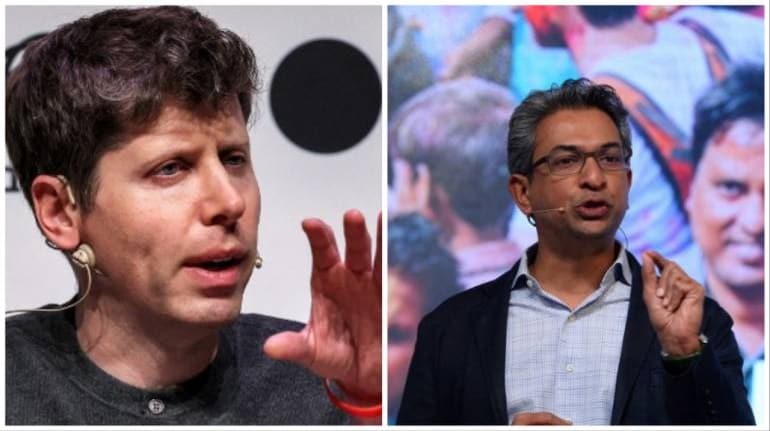
Sam Altman was asked a ChatGPT question by Rajan Anandan at an event in India

During an event organized by The Economic Times, Sam Altman, former President of Y Combinator, was posed a question by Rajan Anandan, former Vice President of Google in India and Southeast Asia, and a current venture capitalist. Anandan inquired about the potential for India to develop an artificial intelligence tool similar to ChatGPT.

Anandan asked Altman, "Sam, India has a vibrant ecosystem, but specifically focusing on AI, do you see any space where an Indian startup can build foundational AI models? How should we approach this, and where should a team from India begin to build something truly significant?"

Altman responded, "The way this usually goes is that we, the established players, tell you that it's impossible for you to compete with us in training foundational models. We'll say you shouldn't even attempt it, and then it becomes your challenge to prove us wrong. I genuinely believe both of those things—I think it's highly unlikely."

Following Altman's response, CP Gurnani, CEO of Tech Mahindra, shared the reply on Twitter and stated that the challenge had been accepted.

Sam Altman's Remarks on Building AI Models:

This section provides details of Sam Altman's comments during an event organized by The Economic Times in India. Altman expresses skepticism about India's capability to compete with OpenAI in building AI models like ChatGPT. The question posed by Rajan Anandan, former Google India head, is mentioned, highlighting the context of Altman's response.

Sam Altman Speaks About India's Attempt to Build ChatGPT: A Hopeless Endeavor?


Tech Mahindra CEO Accepts the Challenge:

Tech Mahindra CEO CP Gurnani has accepted OpenAI founder Sam Altman's challenge to build a ChatGPT-like tool. Altman made the comments during an event in India organised by The Economic Times, saying that it is 'hopeless' for India to try and build an artificial intelligence tool similar to ChatGPT.

Gurnani responded to Altman's challenge on Twitter, saying: "Challenge accepted! We have the talent, the resources, and the passion to build a world-class AI tool that can rival ChatGPT. We will not be deterred by anyone who says it is impossible."

Gurnani's challenge has been met with mixed reactions. Some have praised his confidence and ambition, while others have questioned whether India has the resources and expertise to build a ChatGPT-like tool.

Only time will tell if Gurnani and Tech Mahindra can rise to the challenge. However, their willingness to take on Altman's challenge is a sign that India is serious about competing in the global AI race.

Here are some additional details about the challenge:

Altman's challenge was made in response to a question from Rajan Anandan, former Google India head and currently a venture capitalist.

Gurnani responded to Altman's challenge on Twitter, saying that Tech Mahindra would "not be deterred" by anyone who said it was impossible. Gurnani's challenge has been met with mixed reactions.
Only time will tell if Tech Mahindra can rise to the challenge.

Rajan Anandan's Response:

This section discusses Rajan Anandan's reaction to Altman's remarks. Anandan, undeterred by the skepticism, expresses gratitude to Altman for acknowledging the challenges but emphasizes the resilience and entrepreneurial spirit of Indian startups. His tweet showcases the determination to try and prove the potential of Indian entrepreneurship.

Altman's Insights on ChatGPT Development:

Here, Altman shares insights into the development process of ChatGPT. He highlights the efforts invested in ensuring safety and working with organizations to determine appropriate limits. Altman emphasizes the importance of self-regulation and suggests a balanced approach, where companies and technology work in tandem.

Altman's Visit to India and Discussions:

The article briefly mentions Sam Altman's visit to India as part of his global tour. It highlights his meeting with Prime Minister Narendra Modi and the focus on India's tech ecosystem and achievements in building platforms like UPI and Aadhaar. The possibility of AI replacing jobs and creating new roles is also mentioned.

Indian Government's Interest in AI:

This section mentions the Indian government's interest in AI and the potential launch of an Indian version of ChatGPT. The discussion revolves around the ongoing talks to introduce a new Digital India bill aimed at addressing user safety concerns and regulating emerging technologies like AI.

Inspiring Story of an Indian Farmer:

In this section, the article shares an inspiring story recounted by Sam Altman during his visit to India. Altman highlights the widespread adoption of ChatGPT in India and mentions a specific incident involving an Indian farmer. The farmer, who faced difficulties accessing government services, used ChatGPT connected to WhatsApp in a unique way to overcome the hurdle. This real-life example demonstrates the practical benefits of AI technology in India.

Altman's Meeting with Prime Minister Narendra Modi:

The article mentions that Sam Altman had a meeting with Prime Minister Narendra Modi during his visit to India. Altman discusses the downsides of AI and emphasizes the need for regulation. He commends India's achievements in the tech sector, particularly its national assets, and encourages the government to explore integrating AI technology into various services. The transformative potential of AI and its impact on society are highlighted.

OpenAI's Interest in Funding Indian Startups:

This section reveals Altman's openness to funding startups in India. Instead of establishing a company center or research lab, OpenAI expresses excitement about the impact of AI technology on education. Altman recognizes the potential of Indian startups and their role in driving innovation in the AI field. The article emphasizes OpenAI's interest in supporting and collaborating with Indian startups to further advance AI technology.

Conclusion:

The article concludes by summarizing Sam Altman's visit to India, his observations about India's acceptance of ChatGPT, and his interest in supporting Indian startups. It highlights the importance of integrating AI into government services and its potential impact on education. The overall optimism and determination of Indian tech leaders are emphasized, despite the challenges highlighted by Altman. The overall tone is one of optimism, acknowledging the challenges but showcasing the determination and potential of the Indian tech ecosystem to contribute to AI advancements.

Wednesday, May 24, 2023

How India Can Adopt Fuel-Efficient Technology to Reduce the Cost of Production of Steel

Reducing Fuel Consumption of Heavy Transport Vehicles

Heavy transport vehicles play a vital role in the global economy, but they also consume a significant amount of fuel. In fact, according to the United States Environmental Protection Agency (EPA), heavy-duty trucks account for about 23% of all transportation-related greenhouse gas emissions in the United States.

There are a number of ways to reduce the fuel consumption of heavy transport vehicles. Some of these methods include:

Using alternative fuels: Alternative fuels, such as natural gas and hydrogen, can offer significant fuel savings over traditional diesel fuel.

Improving aerodynamics: By streamlining the design of their vehicles, manufacturers can reduce air resistance and improve fuel efficiency.

Using lightweight materials: Using lightweight materials, such as carbon fiber and aluminum, can reduce the weight of vehicles and improve fuel efficiency.

Efficient engine technologies: Utilizing advanced engine technologies, such as variable valve timing and direct injection, can improve fuel efficiency.

Proper maintenance: Regular maintenance, such as oil changes and tire rotations, can help to ensure that vehicles are operating at peak efficiency.

Driver training: Driver training programs that focus on fuel-efficient driving techniques can have a significant impact on fuel consumption.

By implementing these and other strategies, it is possible to reduce the fuel consumption of heavy transport vehicles and help to reduce greenhouse gas emissions.

In addition to the strategies outlined above, there are a number of emerging technologies that have the potential to significantly reduce the fuel consumption of heavy transport vehicles. These technologies include:

Electric trucks: Fully electric trucks powered by rechargeable batteries or hydrogen fuel cells offer zero-emission solutions for heavy transport. They eliminate tailpipe emissions and have the potential to provide long-range capabilities with advancements in battery technology.

Hybrid trucks: Hybrid trucks combine traditional internal combustion engines with electric powertrain components. They can recover energy through regenerative braking and use it to power auxiliary systems, improving fuel efficiency and reducing emissions.

Natural gas trucks: Natural gas-powered trucks, either in the form of compressed natural gas (CNG) or liquefied natural gas (LNG), offer cleaner-burning alternatives to diesel. Natural gas engines emit lower levels of pollutants and can help reduce greenhouse gas emissions.

Hydrogen fuel cell trucks: Heavy trucks powered by hydrogen fuel cells convert hydrogen gas into electricity, with the only byproduct being water vapor. These vehicles provide long-range capabilities and fast refueling times, making them suitable for long-haul transportation.

Autonomous trucks: Autonomous or self-driving trucks have the potential to optimize fuel efficiency through advanced algorithms and predictive analytics. These vehicles can operate with precise speed control, reduce idling time, and improve overall traffic flow, leading to better fuel economy.

Platoon systems: Platoon systems involve a group of heavy trucks traveling in close proximity, enabled by vehicle-to-vehicle communication. This formation reduces air resistance and fuel consumption by taking advantage of drafting and maintaining constant speeds.

Lightweight materials: The use of lightweight materials such as carbon fiber, aluminum alloys, and advanced composites in truck construction can significantly reduce vehicle weight. Lighter trucks require less energy to propel, resulting in improved fuel efficiency.

Energy recovery systems: Implementing energy recovery systems, such as regenerative braking or waste heat recovery technologies, allows heavy trucks to capture and store energy that would otherwise be wasted during braking or engine operation.

Dynamic charging: Dynamic charging systems use wireless technology to transfer power to heavy vehicles while they are in motion. This technology enables continuous charging, extending the range of electric or hybrid trucks and reducing the need for large, heavy batteries.

Solar-powered trucks: Integrating solar panels on the roofs or bodies of heavy trucks can generate electricity to power auxiliary systems, reducing the load on the engine and improving fuel efficiency.

It's important to note that while some of these technologies are already in use or at an advanced stage of development, others are still in the experimental or conceptual phase. The future of fuel-efficient heavy transport on roads will likely involve a combination of these technologies, tailored to specific applications and operational requirements.

India can adopt fuel-efficient technology to reduce the cost of production of steel in a number of ways. These include:

Investing in research and development: India can invest in research and development to develop new fuel-efficient technologies for the steel industry. This could include developing new types of steel that are lighter and stronger, or developing new ways to produce steel that require less energy.

Incentivizing the use of fuel-efficient technologies: India can incentivize the use of fuel-efficient technologies by providing tax breaks or other financial incentives to companies that adopt these technologies. This would help to make fuel-efficient technologies more affordable and accessible to businesses in India.

Encouraging the use of public transportation: India can encourage the use of public transportation by investing in and expanding public transportation systems. This would reduce the need for private vehicles, which would in turn reduce fuel consumption and emissions.

Promoting energy efficiency: India can promote energy efficiency in general by raising awareness of the importance of energy efficiency and by providing information and resources to help businesses and consumers save energy. This would help to reduce the overall demand for energy, which would in turn reduce the cost of production of steel.

By taking these steps, India can adopt fuel-efficient technology and reduce the cost of production of steel. This would help to make the Indian steel industry more competitive in the global market and would also help to reduce India's reliance on imported energy. In addition to the above, India can also adopt the following strategies to reduce the cost of production of steel:

Improving the efficiency of steel mills: India can improve the efficiency of steel mills by investing in new technologies and equipment. This could include installing new blast furnaces, electric arc furnaces, or continuous casting machines.

Reducing the use of raw materials: India can reduce the use of raw materials by using scrap metal or by recycling steel products. This would help to reduce the cost of production and would also help to conserve resources.

Improving the quality of steel: India can improve the quality of steel by investing in research and development. This could lead to the development of new steel grades that are stronger, lighter, or more corrosion-resistant.

Expanding the domestic market: India can expand the domestic market for steel by promoting the use of steel in construction, infrastructure, and other industries. This would help to increase demand for steel and would help to reduce the cost of production.

By taking these steps, India can reduce the cost of production of steel and make the Indian steel industry more competitive in the global market.


Friday, May 12, 2023

Pixel 7A: The Affordable Flagship Smartphone That You Need to Get Your Hands On


Google unveils the third phone of Pixel 7 series at the annual I/O event. At 43,999, the Pixel 7A gets the same power of G2 chipsets available in the 7 and 7 Pro.

Google has been at the forefront of the smartphone industry, consistently releasing top-of-the-line devices that offer users the best possible experience. The latest Google Pixel phones, the Pixel 7, Pixel 7 Pro, and Pixel 7A, are no exception. In this article, we'll take a comprehensive look at each device, exploring their features, performance, and price.

Pixel 7 and Pixel 7 Pro

The Pixel 7 and Pixel 7 Pro are the latest flagship devices from Google. Both devices come equipped with the powerful Tensor G2 chipset and 8GB of RAM, providing a smooth user experience with no signs of lag, even during gaming sessions. They also have a dual-camera setup with a 64-megapixel primary sensor and a 12-megapixel ultra-wide-angle lens, delivering stunning photography and videography.

The Pixel 7 and Pixel 7 Pro have an OLED display with a resolution of 1080 x 2400 pixels and a refresh rate of 90Hz, providing crisp and clear visuals with smooth transitions. Both devices come with 128GB of internal storage, and users have the option to choose between two colorways: Just Black and Sorta Sage. The Pixel 7 Pro has a larger display and a higher price tag than the Pixel 7, but the devices are otherwise quite similar.

Pixel 7A

The Pixel 7A is Google's latest offering in the mid-range smartphone market, offering users a premium experience at a more affordable price. The device is powered by the Tensor G2 processor and has 8GB of LPDDR5 RAM and 128GB of onboard storage. It also comes equipped with a dual-camera setup, featuring a 64-megapixel primary camera and a 13-megapixel ultra-wide camera.

The Pixel 7A has a 6.1-inch OLED FHD+ display with a resolution of 2,400 x 1,080 pixels and a refresh rate of 90Hz. The device runs on Android 13 and has a battery capacity of 4385mAh, providing users with up to 24 hours of battery life. The Pixel 7A also boasts an IP67 rating for dust and water resistance, making it a durable and reliable device.

Price

The Pixel 7 and Pixel 7 Pro come with a higher price tag than the Pixel 7A, but they also offer more advanced features and a premium user experience. The Pixel 7 is priced at around Rs. 64,999, while the Pixel 7 Pro is priced at around Rs. 84,999. The Pixel 7A, on the other hand, is priced at around Rs. 43,999 in India, making it an excellent option for those looking for a premium device at a more affordable price point.

On the whole, the latest Google Pixel phones offer users a premium experience with top-of-the-line features and performance. The Pixel 7 and Pixel 7 Pro are perfect for those looking for a high-end device with advanced features, while the Pixel 7A is an excellent mid-range option with premium features at a more affordable price. Regardless of which device you choose, you can rest assured that you'll be getting a reliable and high-quality smartphone from Google.


Google Pixel 7A: Impressive Features and Specifications

Display and Processor

The Google Pixel 7A comes with a 6.1-inch OLED FHD+ display with a resolution of 2,400 x 1,080 pixels. It features a refresh rate of 90Hz, providing smooth scrolling and animations. The phone is powered by the Tensor G2 processor and has 8GB of LPDDR5 RAM and 128GB of onboard storage with UFS 3.1.

Camera

The Pixel 7A boasts a dual-camera setup with a 64 MP primary camera and a 13 MP ultra-wide camera. The phone's camera setup is capable of capturing high-quality images and videos. It also has an 8 MP front-facing camera for selfies and video calls.

Battery Life

According to rumors, the Pixel 7A is expected to provide up to 24 hours of battery life. The phone features an Extreme Battery Saver mode that can extend battery life up to 72 hours. However, the actual battery life may vary depending on usage and other factors.

Additional Features

The phone is equipped with stereo speakers, wireless charging, and an IP67 rating for dust and water resistance. It also runs on Android 13, providing access to the latest features and security updates.

Price

The Pixel 7A is priced around Rs. 43,999 in India, making it an affordable option for those seeking a high-quality smartphone.

Conclusion

Overall, the Google Pixel 7A is an impressive device with high-end features and specifications. It's an excellent choice for those looking for a smartphone with a great camera, long battery life, and a smooth user experience.

Tuesday, May 9, 2023

Protecting Yourself from the Surge of Cyberattacks in India: Tips and Best Practices for Cybersecurity in Q1 2023

Sharp Increase in Cyberattacks in India During Q1 2023

Introduction:

India has experienced a sharp increase in the number of cyberattacks during the first three months of 2023, according to two reports. The reports indicate that there has been a significant surge in cyberattacks, which is a cause for concern for businesses and individuals.Source 1

The numbers:

In Q1 2023, India blocked over 500 million cyberattacks out of a billion attacks globally, according to one report. The other report reveals that there has been an 18% increase in the number of weekly cyberattacks in India, with an average of 11,458 cyberattacks per week.Source 2

Types of Cyberattacks:

The reports highlight that cyberattacks can take many forms, including malware attacks, phishing attacks, password attacks, man-in-the-middle attacks, SQL injection attacks, denial-of-service attacks, insider threats, and cryptojacking. Each type of attack requires a different strategy to prevent and mitigate.

Impact on businesses and individuals:

The surge in cyberattacks can have a significant impact on businesses and individuals in India. Cyberattacks can result in theft of sensitive data, disruption to services, and damage to reputation. Individuals can also experience financial losses due to identity theft and emotional distress caused by the violation of their privacy.

The Importance of Cybersecurity:

It's crucial for businesses and individuals in India to stay vigilant and up-to-date on the latest threats and security best practices to protect themselves from cyberattacks. This includes regularly updating software and systems, implementing strong passwords and multifactor authentication, and providing regular cybersecurity training to employees. Additionally, having a robust incident response plan in place can help organizations respond quickly and effectively in the event of a cyberattack.

How to improve cybersecurity and prevent cyber attacks?

Cybersecurity has become a major concern for individuals and organizations alike, with the rise in cyberattacks around the world, including India. Here are some tips and best practices to help protect yourself from cyber threats:

Keep Your Software Up-to-Date: One of the simplest and most effective ways to prevent cyberattacks is to regularly update your software and operating system. This will help to patch any security vulnerabilities that have been discovered.

Use Strong Passwords and Multifactor Authentication: Create strong passwords that are unique to each account and use a combination of upper and lower case letters, numbers, and special characters. Additionally, use multifactor authentication wherever possible to add an extra layer of security.

Be Wary of Suspicious Emails and Links: Phishing attacks are a common type of cyberattack that involves tricking users into clicking on a malicious link or downloading a file. Always be cautious of emails or links from unknown sources, and never enter personal information on a website that you don't trust.

Regularly Backup Your Data: It's important to backup your data regularly to protect yourself from data loss in the event of a cyberattack or system failure. Store your backups in a secure location and ensure that they are regularly updated.

Implement Cybersecurity Training for Employees: For organizations, it's important to provide regular cybersecurity training to employees to help them identify and prevent cyber threats. This includes educating employees on best practices for password security, safe browsing, and email safety.

Use Antivirus and Anti-Malware Software: Antivirus and anti-malware software can help protect your system from malware and other cyber threats. Be sure to regularly update your software to ensure that you have the latest protection.

By following these tips and best practices, you can help protect yourself and your organization from the growing threat of cyberattacks in India and around the world. Remember to always stay vigilant and keep your cybersecurity knowledge up-to-date to stay one step ahead of potential attackers.

Conclusion:

The sharp increase in the number of cyberattacks in India during Q1 2023 highlights the need for increased vigilance and stronger cybersecurity measures. It's important for businesses and individuals to take proactive steps to prevent and mitigate the impact of cyberattacks. By implementing strong security measures and staying up-to-date on the latest threats and security best practices, organizations and individuals can better protect themselves from cyber threats.

Monday, May 8, 2023

The Battle Over Self-Regulation in India's Online Gaming Industry

Online Gaming Platforms Oppose SRO Backed by IAMAI

The online gaming industry has seen tremendous growth in recent years, with millions of users logging in to play games on various platforms. However, as the industry continues to grow, so do the challenges it faces, including the need for proper regulation.

The Indian government had informed gaming companies in April that they had three months to submit proposals for their self-regulatory organizations (SROs). Failing that, the government would initiate its process of establishing a regulator for the sector.

In this context, major online gaming companies such as Dream11, Games24x7, Mobile Premier League (MPL), and Zupee have come out in opposition to the self-regulatory organization (SRO) backed by the Internet and Mobile Association of India (IAMAI). According to sources, the interests of the industry grouping are not aligned with those of the online gaming platforms.

The rebuttal to IAMAI's proposal by gaming companies comes at a time when the industry body is witnessing sharp rebukes from Indian startups for being in favor of Big Tech interests. Founders are demanding a change in leadership at IAMAI, which they contend has become a "mouthpiece of Big Tech," while failing to represent the interests of small and medium-sized enterprises.

In February, online gaming companies had written to the Ministry of Electronics and Information Technology (MeitY) distancing themselves from IAMAI's views on the draft online gaming rules. The gaming companies had already distanced themselves from the Internet body over its comments to the MeitY that the draft rule 'was right on intent but poor on scoping.

' As per the online gaming rules, the SRO will have to be set up as a legal entity under the Section 8 of the Companies Act. Its members will include an individual having online gaming industry experience; another person with experience in promoting the interests of online gaming users; an educationist; a mental health expert; an information and communication technology expert; a current or former member of an organization dealing with the protection of child rights; a public policy, law enforcement, or a representative from a consumer rights organization.

The opposition by major online gaming platforms to the SRO backed by IAMAI has highlighted the industry's struggle to establish effective self-regulation. The online gaming industry's rapid growth in India has resulted in several challenges, including concerns over underage gambling, data privacy, and addiction.

While some gaming companies are working with specialized industry lobby groups to create a proposal for SROs, others have yet to take any action. The Indian government's decision to establish a regulator for the sector could help address the challenges facing the industry.

In conclusion, the opposition by major online gaming platforms to the SRO backed by IAMAI highlights the need for effective self-regulation in the online gaming industry. As the industry continues to grow, it is crucial to establish rules and standards to promote order and ensure the protection of consumers.

Saturday, May 6, 2023

Google's Foldable Phone, 2023: All You Need to Know About the Pixel Fold

Google's First Foldable Phone: Pixel Fold Confirmed

After months of speculation and rumors, Google has finally confirmed the existence of its first foldable phone, the Pixel Fold. As anticipated, the tech giant owned by Alphabet has unveiled a teaser clip of the device, and it closely resembles the design that has been circulating in rumors and images for the past few months.

The Pixel Fold boasts a book-like design that is reminiscent of the Samsung Galaxy Fold series and the recently launched Tecno Phantom V 5G.

The highly anticipated Google Pixel Fold is set to be launched on May 10 at the Google I/O event. A "Notify Me" button is available on a landing page on the Google Store in the US, allowing users to stay updated about the upcoming foldable phone. While Google has not yet revealed the markets where the device will be released, it is unclear whether the Pixel Fold will be available in India.

The price and availability of the Pixel Fold are still unknown, but some analysts estimate that it could cost between $1,400 and $1,800. Google's teaser page for the phone only says that it is "coming soon". The Pixel Fold will join Google's existing lineup of smartphones, which includes the Pixel 6a, Pixel 7, and Pixel 7 Pro.

However, according to market experts with access to inside information, this premium device is set to launch soon at Google's developers' conference, Google I/O 2023. The event is scheduled for May 10, and the Pixel Fold is speculated to launch in the Indian markets sometime this year with a rumored price tag of ₹145,000. This is yet to be confirmed, and eager buyers will have to hold onto their excitement and wait patiently until the launch date.

Design and Display

The Pixel Fold sports an inward-folding design, a polished metal frame, protective glass on the cover and rear, and a fingerprint reader on the side. On the cover screen, it has a top-centered punch-hole cut-out. The selfie camera on the inner display is mounted on the top bezel.

The device features a 7.6-inch QHD+ (1840x2208 pixels) OLED main panel with a 120Hz maximum refresh rate, 308ppi pixel density, and a 6:5 aspect ratio for a tablet-like on-screen experience.

Camera and Processor

The exact configuration and specifications of the rear camera bump are unknown. However, some reports suggest that the phone could have a 50-megapixel main camera along with two 12-megapixel cameras and an 8-megapixel one.

The Pixel Fold is supposedly powered by the Google Tensor G2 processor, which is the second-generation smartphone processor designed for the Pixel range. It has 2 cores Cortex-X1 at 2850 MHz, 2 cores Cortex-A78 at 2350 MHz, and 4 cores Cortex-A55 at 1800 MHz. It might also include 256/512GB of UFS 3.1 storage and 12GB of LPDDR5 RAM. The device is said to feature the most robust hinge of any foldable phone.

Software and Features

The Pixel Fold will run on Android 12, which is expected to be unveiled at Google I/O. The software will probably have some optimizations and features for the foldable form factor, such as adaptive widgets and user interface elements. The phone could also support some of Google’s signature features, such as Assistant, Photos, Lens, and Call Screen.

Release and Competition

The Pixel Fold is Google’s attempt to enter the foldable phone market, which is still niche but growing rapidly. According to Counterpoint Research, foldable phone shipments increased by 454% year-on-year in the first quarter of 2021, reaching 2.8 million units. Samsung dominates this segment with a 74% market share, followed by Huawei with 8% and Motorola with 7%.

The Pixel Fold could offer some advantages over its rivals, such as a smoother software experience, faster updates, better camera performance, and tighter integration with Google’s services and ecosystem. However, it will also face some challenges, such as high price, durability issues, battery life concerns, and limited app compatibility.

Exciting New Product

The Pixel Fold is one of the most anticipated devices of 2023. With its impressive features, the Pixel Fold is expected to make a splash in the foldable phone market. Stay tuned for more updates and coverage on this exciting new product.

The Pixel Fold is one of the most highly anticipated devices of 2023, as it represents Google's entry into the foldable smartphone market, which is rapidly growing. The device is expected to offer some advantages over its competitors, such as a smoother software experience, faster updates, better camera performance, and tighter integration with Google's services and ecosystem.

However, the Pixel Fold will also face some challenges, such as high price, durability issues, battery life concerns, and limited app compatibility. Nevertheless, with the promise of a robust hinge, powerful processor, and impressive display, the Pixel Fold is poised to make a significant impact in the foldable smartphone space.

With the launch of the Pixel Fold at Google I/O 2023 just around the corner, there is much excitement and anticipation among tech enthusiasts and consumers alike. It remains to be seen how the Pixel Fold will be received in the market, but one thing is for sure: Google has once again set its sights on pushing the boundaries of what is possible with mobile technology.

Tuesday, September 29, 2009

Twitter India - India Climbs to Third Position as The Most Twittering Nation after Germany and USA

- By Somik Ranjan Roy

Indians traditionally are exceedingly noisy and communicative which at times turns to a roar and that's exactly happened in the virtual world too.

Having been placed in the ninth position way back in July by Sysomos in terms of volume shared by Indians for keying their thoughts to share with others on the Twitter.

In just two months India has climbed the third position as more Indians are joining the chorus to twitter more and more.

As per the internet users and traffic report by Alexa , India is now the third major contributor to the fastest growing Micro blogging site amongst Twitter Users according to Alexa.

8% of the total Twitter Users are from India, this despite only 7% of the population having access to the internet.


Twitter_countries


India_internetusage

Click here for Free Industry Resources!

Monday, September 21, 2009

The Indian Economy Can Sustain 6 - 8% Growth Rate till 2025

Click here for Free Industry Resources!


India can sustain 6-8% growth rates up to 2025

With a year of economic downturn behind us, Stuart Corbridge, professor of development studies at London [ Images ] School of Economics, expects that the world might suffer a public sector downturn next year. However, he is optimistic about Indian prospects.

In a conversation with Devika Banerji, Corbridge says that the problem with India's growth story has been its inability to reduce poverty to significant levels. Excerpts:

As economies like Germany , the US and France have come out of recession, do you see the global economy recovering?

I am a little nervous. I believe that we have been lucky, it could have tipped over to something worse. If you take the case of the US and the UK, there is a massive building up of deficits which I think was necessary. All that money has shown signs of recovery, so people are optimistic in that respect.

However, the recession in the West has largely been a private sector phenomenon, but now the pressure will be on the public sector. Government books will have to balanced next year and taxes will go up. So, I fear a public sector recession next year and if it happens too soon, it might even drag the recovering private sector along with it. So, I am apprehensive.

What should India learn from the crisis?

There are a number of answers to this. Well, the way forward for India would be not to believe in the concept of free markets. Markets always need to be underpinned by functioning institutions. They have to be regulated. There are informational symmetries, there are externalities.

The idea that we can simply open up markets is a self-defeating idea. It will engender political opposition because it will bring extreme volatility. I think the recession in the western world is a result of refusal to regulate some industries like real estate and finance.

In case of the UK, the economy has become unbalanced because we lack a manufacturing base and are heavily dependent on finance capital.

In the long run, do you think an average Indian growth rate of 7-8 per cent is sustainable?

I think sustaining the rates of 6-8 per cent growth a year up to 2020-25, except some exceptional years, will be possible. The main reason would be that India has invested so little in relative terms in human capital.

Once investment comes into infrastructure, education and healthcare, we will see the productivity of workers in India increase significantly.

Second, this is the time India should reap the benefits of its demographic dividend. Most of the countries, including China, have already done that and so India has more potential. This, of course, presupposes that jobs will be created in India.

The worst-case scenario would be lots of skilled unemployed labour, which might challenge growth. But I am optimistic about the Indian growth rate for the years to come, provided you neutralise the political tensions.

You seem to be very optimistic about India's growth? Has the growth story been disappointing in some way?

Well, the problem is that the growth has not translated into reduction of poverty in the scale that we had expected, at least not in the eastern parts of the country. One per cent increase in the rate of growth in China has resulted in around 1 per cent reduction in poverty.

However, in India it is half of this. Therefore, the growth story becomes clogged up. The reasons are that some people are unaffected with the growth taking place; they are not in the labour market, and are discriminated and left out of the system. All of this is holding the productivity of the country and making the growth less benign.

What then would be the way forward for India?

It's interesting that India has achieved such high rates of growth with a majority of the population living in rural areas. I would expect an enormous migration of people to urban areas in the next 20-30 years, so to say. Then you will need space for new cities to come up to accommodate such migration. You will have to think about cities double the size of Delhi or Mumbai.

India and China have often been compared against each other as far as economic development is concerned. Do you endorse that India has paid an economic penalty because of a democratic set-up?

The India-China comparison is a very interesting one. A crude way to put it would be the classic case of the tortoise and the hare, with the tortoise catching up.

You can solve some coordination problems in a rational authoritarian state set-up like in China, but I will still maintain that a democratic set-up is more suited for a consistent growth rate in the long run. It is very difficult to argue that India has paid an economic penalty because of a democratic set-up.

India has achieved pretty respectable rates of growth since 1980 and good growth rates since 2000. And to my mind, along with this, a lot of things have been done around the 'dignity' agenda. A lot of empowerment has taken place, both at the Centre and at the state level, and going ahead, India will reap the benefits of these.

You have studied the social sector in India. According to you, is it a right time for India to move away from the public distribution system for more qualitative social sector schemes?

The key issue in a public distribution system is that of leakages. The results are region-specific, and some systems that work for Kerala may not work for Bihar. Currently, the focus should be on making these schemes efficient and identifying the right beneficiaries. In more time, you might hope to move away from public distribution systems.

Devika Banerji in Mumbai

Wednesday, September 9, 2009

India Ranks 49th in Economic Competiveness by the World Economic Forum

Click here for Free Industry Resources!

Being from India I am always interested to know where India stands today vis a vis rest of the world.

I was quite shocked and dismayed that India although being considered the second most progressive economies of the world next to its giant neighbour China is nowhere close to any of the most developed countries of the world as far as competitiveness in economy is concerned.

Even Singapore a tiny country in comparison to India's size and population is well placed after USA, ranked third in the merit of economic competiveness.

No wonder India has many miles to go and have to move faster to catch up to find a place amongst the top ten most economically and technologically developed countries of the world.

In a recent worldwide report prepared by the World Economic Forum (WEF) India managed a poor 49th position a notch better than Jordan, amongst the 133 countries whose competiveness level has been measured after taking into several parameters.

According to the report Switzerland has beaten USA to the second position to take the leading position as the most competitive economy of the world today.


The Top 50 Competitive Economies in the world


Rank

Score

Switzerland

1

5.60

2

United States

2

5.59

1

Singapore

3

5.55

5

Sweden

4

5.51

4

Denmark

5

5.46

3

Finland

6

5.43

6

Germany

7

5.37

7

Japan

8

5.37

9

Canada

9

5.33

10

Netherlands

10

5.32

8

Hong Kong SAR

11

5.22

11

Taiwan, China

12

5.20

17

United Kingdom

13

5.19

12

Norway

14

5.17

15

Australia

15

5.15

18

France

16

5.13

16

Austria

17

5.13

14

Belgium

18

5.09

19

Korea, Rep.

19

5.00

13

New Zealand

20

4.98

24

Luxembourg

21

4.96

25

Qatar

22

4.95

26

United Arab Emirates

23

4.92

31

Malaysia

24

4.87

21

Ireland

25

4.84

22

Iceland

26

4.80

20

Israel

27

4.80

23

Saudi Arabia

28

4.75

27

China

29

4.74

30

Chile

30

4.70

28

Czech Republic

31

4.67

33

Brunei Darussalam

32

4.64

39

Spain

33

4.59

29

Cyprus

34

4.57

40

Estonia

35

4.56

32

Thailand

36

4.56

34

Slovenia

37

4.55

42

Bahrain

38

4.54

37

Kuwait

39

4.53

35

Tunisia

40

4.50

36

Oman

41

4.49

38

Puerto Rico

42

4.48

41

Portugal

43

4.40

43

Barbados

44

4.35

47

South Africa

45

4.34

45

Poland

46

4.33

53

Slovak Republic

47

4.31

46

Italy

48

4.31

49

India

49

4.30

50

Jordan

50

4.30

48

Here are some of the highlights of the report:

India Specific Key indicators

  • Population (millions), 2008…………………………….1,186.2

  • GDP (US$ billions), 2008……………………………….1,209.7

  • GDP per capita (US$), 2008 …………………………..1,016.2

  • GDP (PPP) as share (%) of world total, 2008 …..…….4.77


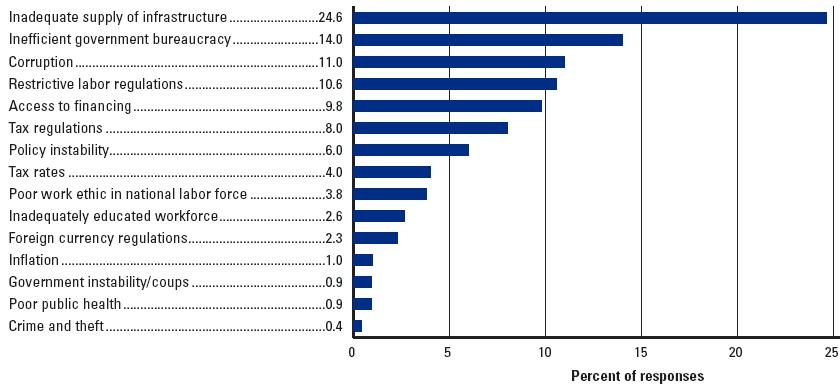
The most problematic factors for doing business in India

problems doing business in india


A single glance at the chart above gives a clear picture for diagnosis of the many problems that is holding back the country from moving swiftly ahead.

If we scrutinize the picture closely, its evident that poor infrastructure and a very inefficient government bureaucracy are acting as drags and holding back the country from zipping on the fast lane along the highway to economic development and prowess.


India Competitiveness Index


However there are few things to cheer about. India ranks fourth as far as market size is concerned.This is good news for foreign investors and entrepreneurs who would like to set up industry for which they have a sizeable potential market with purchasing power.

However if we look at chart below we find that in spite of a large middle class market within India which is larger than the total population of Europe, a good 42 percent of India's population lives on less than $1.25 a day.

This is a great shame for all Indians particularly the well to do urbanites who are more prone to be anglophiles and suppose to be progressive.


GDP per Capita

Indian GDP per Capita


However there are few silver linings for India too and for which Indians are being envied the world over today. India has been ranked 30th and 27th as far as innovation and business sophistication are concerned respectively. This is something that Indians need to concentrate more to make it their forte to bypass the problems and grab the top most positions.

It ranks an outstanding 28th in the most complex areas measured by the business sophistication and innovation subindex, ahead of several advanced economies.

India also boasts fairly well functioning institutions (54th), bustling financial markets (16th), and a sound banking sector (25th)

However, India ranks very poorly on some of the basic determinants of competitiveness, namely health and primary education (101st), macroeconomic stability (96th) and infrastructure (76th).

The biggest surprise to me however was the penetration rates of Mobile Telephony – India is ranked at 116th out of 133 countries, so much for being 2nd largest mobile phone market !

Penetration of Internet and personal computers are also one of the lowest with a ranking of 104th and 96th respectively.

Take that for Indian competitiveness !

You can download full 492 page report for all countries from here.

Related posts:

  1. What is stopping India’s progression ? Everybody understands the importance of Information and Communication Technologies (ICT)...

  2. Top 10 innovative countries. India ranked 41. Success of a country will depend upon capital it has...

  3. For all its Outsourcing prowess, India ranks a lowly 54 in using IT India ranks 54 amongst 134 countries in effectively using IT....

  4. Doing Business in India is even tougher than in Pakistan, SriLanka or Nepal Now that does not sound very positive, is it? India...

  5. India ranked at No. 1 for starting a Retail business across the globe The Retail sector in India has been hot for last...


Beyond the Womb: Exploring the Brave New World of Artificial Wombs

 As I flipped through the morning newspaper, a particular report grabbed my attention, uncovering a captivating yet intricate frontier in re...