Translate to your Mother Tongue and Enjoy my Articles

Friday, June 9, 2023

Mastering the Power of Digital Marketing: A Comprehensive Guide for Business Success in the Digital Age


Learn Digital Marketing - The Key for Business Success

In the digital age, where the majority of consumers are connected to the internet, ignoring digital marketing is not an option for businesses. Digital marketing is a powerful tool that can help businesses reach and engage with their target audiences in a more effective and efficient manner as compared to traditional marketing methods. It is a key driver of business growth and success in the 21st century. Here's why:

Broad and Targeted Reach

One of the primary advantages of digital marketing is its ability to reach a vast yet targeted audience. The internet provides a platform where businesses can interact with billions of users worldwide. With the help of tools like Google Analytics and Facebook Insights, businesses can also target their marketing efforts towards specific demographics, locations, and consumer behaviors. This targeted approach increases the likelihood of reaching the right audience, leading to higher conversion rates.

For example, a local bakery can use digital marketing tools to target users in its vicinity, showcasing ads or social media posts to people who are more likely to visit the bakery and make a purchase. This targeted approach ensures that marketing efforts are focused on individuals who are most likely to be interested in the product or service being offered.

Cost-efficiency and High ROI

Digital marketing offers cost-effective solutions for businesses, especially small and medium enterprises with limited budgets. Online advertising platforms like Google AdWords or social media marketing can be more affordable and have a broader reach than traditional advertising channels like TV, radio, or print media. Moreover, digital marketing allows businesses to track and measure their campaigns' performance in real-time, making it easier to optimize for a higher return on investment (ROI).

For instance, a clothing retailer can run an online advertising campaign on social media platforms, targeting users who have shown an interest in fashion and related products. By carefully monitoring the campaign's performance, the retailer can allocate the budget to the most effective ads and optimize them further to maximize conversions. This data-driven approach ensures that the marketing budget is utilized efficiently, resulting in a higher ROI.

Enhanced Customer Engagement

In a digital landscape, customers expect brands to be available and responsive online. Digital marketing allows businesses to engage with their customers in real-time through social media, email marketing, and live chat services. It also facilitates two-way communication, enabling businesses to understand their customers better and create personalized experiences, thereby fostering brand loyalty and customer retention.

For example, a software company can engage with its customers through a dedicated support chat system on their website. This allows customers to ask questions, seek assistance, and provide feedback directly to the company. By promptly responding to customer queries and addressing their concerns, the company can build a strong relationship with its customers, leading to increased satisfaction and loyalty.

Data-driven Decision Making

Digital marketing provides businesses with valuable data and insights about their customers' preferences, behaviors, and purchasing patterns. This data-driven approach helps businesses make informed decisions about their marketing strategies, product development, and customer service. By leveraging data analytics, businesses can optimize their marketing efforts, increase conversions, and improve overall business performance.

For instance, an e-commerce company can analyze customer data to identify trends and patterns in purchasing behavior. This information can help the company identify popular products, optimize pricing strategies, and personalize marketing campaigns to target specific customer segments effectively. By basing decisions on concrete data, businesses can minimize guesswork and make strategic choices that have a higher chance of success.

Improved Conversion Rates

Unlike traditional marketing, digital marketing allows businesses to track their customers' journey from the initial interaction to the final purchase. With the help of digital tools and platforms, businesses can monitor the effectiveness of their marketing strategies and make necessary adjustments to improve conversion rates. This real-time tracking and adjustment capability make digital marketing a powerful tool for driving business success.

For example, an online travel agency can track user behavior on its website, analyzing which pages or offers generate the most conversions. By optimizing the user experience, streamlining the booking process, and providing relevant recommendations, the agency can increase the likelihood of users completing their bookings. This continuous monitoring and improvement cycle result in higher conversion rates and ultimately more revenue for the business.

Builds Brand Reputation and Trust

In the digital world, a strong online presence is synonymous with credibility. Digital marketing helps businesses establish their brand reputation by enhancing visibility and creating engaging content. It also enables businesses to showcase customer testimonials and positive reviews, which play a crucial role in building trust with potential customers. A reputable and trusted brand is likely to attract more customers, leading to increased sales and business growth.

For instance, a restaurant can leverage social media platforms to showcase mouth-watering food photos, share customer reviews, and interact with potential diners. By consistently delivering quality content and engaging with the audience, the restaurant builds a positive reputation online. This, in turn, encourages people to visit the restaurant, confident in the quality of the dining experience.

Ultimately, in today's digital era, digital marketing is not just a trend but a crucial element for business success. Its ability to reach a broad yet targeted audience, offer cost-efficiency, enhance customer engagement, provide data-driven insights, improve conversion rates, and build brand reputation makes it an indispensable tool in the business world. Therefore, whether a business is small or large, startup or established, investing in digital marketing is a strategic decision that can lead to significant business growth and success.

Increased Brand Awareness and Visibility

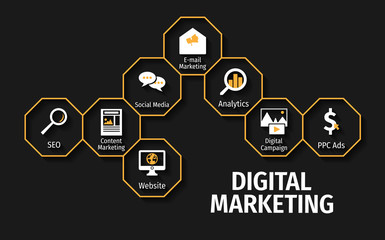
Digital marketing allows businesses to increase their brand awareness and visibility among their target audience. Through various online channels such as search engine optimization (SEO), social media marketing, content marketing, and display advertising, businesses can effectively reach a wider audience and make their brand more recognizable.

For example, a startup fashion brand can utilize social media platforms like Instagram and Facebook to showcase its unique clothing designs, share behind-the-scenes stories, and collaborate with influencers. By consistently posting high-quality content and engaging with followers, the brand can increase its visibility and attract a larger audience. This increased brand awareness can lead to more website traffic, social media followers, and potential customers.

Personalization and Targeted Marketing

Digital marketing allows businesses to personalize their marketing efforts and tailor them to specific target audiences. By collecting and analyzing data on customer preferences, behavior, and demographics, businesses can create highly targeted campaigns that resonate with their audience and drive better results.

For instance, an online beauty retailer can use customer data to send personalized email newsletters with product recommendations based on past purchases or browsing history. This personalized approach makes customers feel valued and increases the likelihood of them making a purchase. By understanding their audience and delivering relevant content, businesses can enhance customer satisfaction and loyalty.

Diversification of Marketing Channels

Digital marketing offers a wide range of channels and platforms that businesses can leverage to reach their audience. From social media platforms and search engines to email marketing and content marketing, businesses have the flexibility to choose the channels that align with their goals and target audience.

For example, a B2B software company can focus on content marketing by creating informative blog articles, whitepapers, and video tutorials that address common challenges faced by their target audience. By providing valuable insights and solutions, the company establishes itself as a thought leader in the industry and attracts potential customers who are actively seeking information.

Real-Time Customer Feedback and Market Research

Digital marketing enables businesses to gather real-time feedback from customers, allowing them to make immediate improvements and adjustments. Through social media listening tools and online surveys, businesses can monitor customer sentiment, identify areas for improvement, and address any concerns promptly.

For instance, a hotel chain can monitor online reviews and social media mentions to gauge customer satisfaction levels. If they notice recurring complaints about a specific aspect of their service, they can take immediate action to rectify the issue and improve the overall customer experience. This proactive approach to customer feedback helps businesses stay responsive and customer-centric.

Global Reach and Expansion Opportunities

Digital marketing breaks down geographical barriers and opens up opportunities for businesses to expand their reach globally. With the internet connecting people worldwide, businesses can tap into new markets and target international customers without the need for a physical presence in each location.

For example, an online language learning platform can offer its courses to learners across different countries through localized digital marketing efforts. By translating their website content, adapting their marketing messages to different cultures, and leveraging international SEO strategies, the platform can attract learners from various regions and expand its user base globally.

No wonder, digital marketing plays a vital role in driving business success in the digital age. Its ability to increase brand awareness, target specific audiences, personalize marketing efforts, and gather real-time feedback provides businesses with a competitive edge. By embracing digital marketing strategies and utilizing the available tools and platforms, businesses can effectively reach and engage with their target audience, drive conversions, and foster long-term relationships with customers. The power of digital marketing should not be underestimated, as it has the potential to propel businesses to new heights in the 21st century.

Measurable Results and Analytics

One of the significant advantages of digital marketing is the ability to track and measure results accurately. Unlike traditional marketing methods, digital marketing provides comprehensive analytics and reporting tools that allow businesses to assess the performance of their campaigns and strategies.

For example, an e-commerce retailer can track key metrics such as website traffic, conversion rates, average order value, and customer acquisition costs. With this data, they can identify which marketing channels are driving the most traffic and conversions, which products are performing well, and how their marketing budget is being allocated. These insights enable businesses to make data-driven decisions and optimize their marketing efforts for better results.

Agility and Adaptability

In the fast-paced digital landscape, businesses need to be agile and adaptable to stay ahead of the competition. Digital marketing allows businesses to quickly adjust their strategies, messaging, and campaigns based on real-time feedback and market trends.

For instance, a food delivery service can monitor customer behavior and preferences through data analysis. If they notice a growing demand for vegan options, they can swiftly modify their menu, update their website and marketing materials, and launch targeted campaigns to promote their new offerings. This agility in responding to customer needs and market dynamics gives businesses a competitive edge and enhances their ability to capitalize on emerging opportunities.

Integration with Traditional Marketing

While digital marketing offers numerous benefits, it does not necessarily replace traditional marketing methods. Instead, it can complement and integrate with traditional marketing strategies to create a cohesive and impactful marketing approach.

For example, a retail store can utilize digital marketing techniques such as social media advertising and email marketing to drive online traffic and sales. Simultaneously, they can leverage traditional marketing methods like in-store promotions, direct mail, and billboards to attract local customers and create brand awareness. By combining both approaches, businesses can reach a broader audience and reinforce their marketing message through multiple channels.

Continuous Learning and Growth

Digital marketing is a dynamic and ever-evolving field. To stay competitive, businesses and professionals need to continuously learn, adapt, and stay updated with the latest trends, tools, and strategies.

For individuals interested in pursuing a career in digital marketing, there are numerous resources available, including online courses, certifications, industry blogs, and webinars. By investing in continuous learning, professionals can acquire new skills, stay ahead of industry changes, and position themselves as experts in the field.

For businesses, ongoing learning and growth in digital marketing can lead to innovative approaches, improved campaigns, and better customer experiences. By staying informed and embracing new technologies and trends, businesses can maintain a competitive edge and drive long-term success.

Digital marketing is a powerful tool that businesses cannot afford to ignore in today's digital age. Its ability to provide measurable results, target specific audiences, adapt to changing market dynamics, and integrate with traditional marketing methods makes it a crucial component of business success. By harnessing the power of digital marketing, businesses can effectively reach their target audience, drive engagement and conversions, and ultimately achieve their growth objectives. With continuous learning and a strategic approach, digital marketing can unlock new opportunities and propel businesses to new heights of success.

Leveraging Social Media Platforms

Social media platforms have become integral to digital marketing strategies due to their widespread popularity and user engagement. Businesses can leverage social media to connect with their target audience, build brand awareness, and drive engagement.

For instance, a fashion retailer can use Instagram to showcase their latest collections, collaborate with influencers for product endorsements, and run interactive campaigns such as user-generated content contests. By actively engaging with followers, responding to comments, and utilizing social media analytics, businesses can build a strong social media presence and foster a community of loyal brand advocates.

Harnessing the Power of Content Marketing

Content marketing involves creating and sharing valuable and relevant content to attract and engage a target audience. It plays a pivotal role in digital marketing by establishing thought leadership, driving organic traffic to websites, and nurturing customer relationships.

For example, a software company can create blog posts, e-books, and video tutorials that provide insights and solutions to common industry challenges. By consistently delivering high-quality content that addresses customer pain points, the company establishes credibility, builds trust, and positions itself as an industry authority.

Email Marketing for Customer Retention

Email marketing remains a highly effective tool for nurturing customer relationships and driving repeat business. By building an email list of interested subscribers and delivering personalized and targeted messages, businesses can keep their brand top of mind and encourage customer loyalty.

For instance, an e-commerce retailer can send personalized product recommendations, exclusive discounts, and relevant content to their email subscribers. By tailoring the messages based on customer preferences and purchase history, businesses can increase the chances of repeat purchases and foster long-term customer loyalty.

Influencer Marketing and Collaborations

Influencer marketing involves partnering with influential individuals in a specific industry or niche to promote products or services. It allows businesses to leverage the reach and influence of these individuals to tap into their audience and generate brand awareness.

For example, a fitness equipment brand can collaborate with fitness influencers to create sponsored content, such as workout videos featuring their products. By aligning the brand with trusted influencers, businesses can reach a wider audience, gain credibility, and drive conversions.

Mobile Marketing and Optimization

With the increasing use of smartphones, mobile marketing has become essential for businesses. Optimizing websites, emails, and advertisements for mobile devices ensures a seamless user experience and enables businesses to capture the growing number of mobile users.

For instance, an online travel agency must ensure that its website is mobile-friendly, allowing users to easily search for and book flights, hotels, and other travel services on their smartphones. By optimizing the mobile experience, businesses can cater to the preferences of mobile users and capitalize on the convenience of mobile browsing and purchasing.

Digital marketing encompasses a wide range of strategies and techniques that businesses can leverage to reach, engage, and convert their target audience. By harnessing the power of social media, content marketing, email marketing, influencer collaborations, and mobile optimization, businesses can create effective and impactful digital marketing campaigns. As technology continues to evolve, businesses must stay agile, adapt to changing trends, and continuously optimize their digital marketing efforts to stay ahead in today's competitive landscape. Embracing the opportunities offered by digital marketing is essential for long-term business success and growth.

The Importance of SEO (Search Engine Optimization)

Search Engine Optimization (SEO) plays a crucial role in digital marketing by improving a website's visibility and organic search rankings. By optimizing website content, meta tags, and backlinks, businesses can increase their chances of appearing on the first page of search engine results.

For example, a local bakery can optimize its website for local SEO by including relevant keywords, creating location-specific landing pages, and obtaining online reviews. This enables the bakery to rank higher in local searches when customers are looking for bakery products in their area, driving more targeted traffic and potential customers to their website.

Pay-Per-Click Advertising (PPC)

Pay-Per-Click (PPC) advertising is a digital marketing model where businesses pay for each click on their online ads. Platforms like Google Ads and Bing Ads allow businesses to create targeted ad campaigns and reach potential customers at the exact moment they are searching for relevant products or services.

For instance, a software company can run a PPC campaign to promote its latest software release. By bidding on relevant keywords and crafting compelling ad copy, the company can appear at the top of search engine results and drive traffic to its website. With proper campaign optimization and monitoring, businesses can maximize their ROI and conversions through PPC advertising.

Remarketing and Retargeting

Remarketing and retargeting strategies involve targeting individuals who have previously interacted with a business or website but did not complete a desired action, such as making a purchase. By displaying relevant ads to these individuals across various platforms, businesses can encourage them to return and convert.

For example, an online retailer can implement a remarketing campaign to show personalized ads featuring products that were abandoned in a customer's shopping cart. By reminding the customer about their previous interest and offering incentives such as discounts or free shipping, the retailer increases the chances of recovering the lost sale.

Video Marketing

Video marketing has gained immense popularity in recent years, with platforms like YouTube and TikTok becoming major players in the digital marketing landscape. Videos allow businesses to convey their messages in a visually engaging and memorable format, capturing the attention of their target audience.

For instance, a cosmetics brand can create tutorial videos showcasing different makeup looks using their products. By providing valuable content, demonstrating product usage, and engaging with viewers, the brand can build trust and loyalty among its audience, ultimately driving sales and brand advocacy.

Chatbots and AI-Powered Customer Service

Chatbots and artificial intelligence (AI) are revolutionizing customer service in the digital realm. These technologies enable businesses to provide instant support and assistance to customers, enhancing their overall experience.

For example, an e-commerce website can integrate a chatbot that can answer frequently asked questions, provide product recommendations, and assist with the ordering process. By offering immediate responses and personalized assistance, businesses can improve customer satisfaction, reduce response times, and increase conversions.

In a nutshell, digital marketing encompasses a wide array of strategies and tactics that businesses can employ to effectively reach and engage their target audience. From optimizing websites for search engines to leveraging video marketing and AI-powered customer service, businesses have a vast toolkit to drive their digital marketing efforts. By understanding the different components of digital marketing and utilizing them strategically, businesses can build a strong online presence, connect with their audience, and achieve long-term success in the digital age.

Conclusion

In today's digital age, digital marketing has emerged as a key driver of business success. Its ability to reach a broad yet targeted audience, offer cost-effective solutions, enhance customer engagement, provide data-driven insights, improve conversion rates, and build brand reputation makes it an indispensable tool for businesses of all sizes and industries.

Digital marketing allows businesses to leverage various platforms and strategies to connect with their target audience in a more efficient and personalized manner. From social media marketing and content creation to SEO, PPC advertising, and video marketing, businesses have a wide range of tools at their disposal to create impactful digital marketing campaigns.

By investing in digital marketing, businesses can effectively reach their target audience, drive engagement, and convert leads into customers. The data-driven nature of digital marketing allows businesses to measure and analyze their campaigns' performance, enabling them to make informed decisions and optimize their strategies for better results.

Furthermore, digital marketing is a field that requires continuous learning and adaptation. Staying up-to-date with the latest trends, technologies, and consumer behaviors is essential for businesses and professionals to stay competitive. With the rapid advancements in technology and the ever-evolving digital landscape, businesses must remain agile and adapt their digital marketing strategies to capitalize on emerging opportunities.

To sum up, digital marketing is a powerful tool that businesses cannot afford to overlook in today's digital era. It offers unparalleled reach, cost-efficiency, customer engagement, and data-driven insights that can drive business growth and success.

By embracing digital marketing and harnessing its full potential, businesses can position themselves as industry leaders, connect with their target audience, and achieve their growth objectives in the dynamic and competitive digital landscape.


iOS 17 Review: A Personal and Intuitive iPhone Experience with Contact Posters, NameDrop, Live Voicemail, FaceTime Reactions, Journal, StandBy, and More


Review: iOS 17 - The Most Personal and Intuitive iPhone Experience Yet

Apple has recently announced iOS 17, the latest version of its mobile operating system that powers millions of iPhones around the world. iOS 17 brings major updates to the communications apps, such as Phone, FaceTime, and Messages, as well as new ways to share with AirDrop, more intelligent text input, and new experiences with Journal and StandBy. In this review, I will explore some of the most notable features of iOS 17 and how they make iPhone more personal and intuitive than ever.

Contact Posters: A New Way to Express Yourself

One of the most eye-catching features of iOS 17 is Contact Posters, which allow users to customize how they appear when they call someone or share their contact information. Users can choose from a variety of options, such as photos, Memoji, fonts, colors, and backgrounds, to create a unique and expressive poster that reflects their personality and mood. Contact Posters are also compatible with third-party calling apps and can be seen in other places where users share their contact information, such as NameDrop.

NameDrop: A Simple Way to Share Your Contact Information

Speaking of NameDrop, this is another new feature in iOS 17 that makes sharing your contact information easier than ever. NameDrop lets you put two iPhones next to each other and share your contact information with a simple tap. You can also choose what details you want to share, such as your phone number, email address, or social media handles. NameDrop is a convenient and secure way to exchange contact information without having to type anything or scan a QR code.

Live Voicemail: A Smarter Way to Handle Voicemails

Another improvement to the Phone app in iOS 17 is Live Voicemail, which gives users the ability to see real-time transcription as someone leaves a voicemail, and the opportunity to pick up while the caller is leaving their message. Live Voicemail uses the Neural Engine on the iPhone to transcribe voicemails on-device and keep them private. Live Voicemail also filters out spam calls and instantly declines them, so you don't have to deal with unwanted messages.

FaceTime: More Fun and Expressive

FaceTime also gets some new features in iOS 17 that make video calls more fun and expressive. FaceTime now supports audio and video messages, so you can leave a message for someone who is not available and they can enjoy it later. FaceTime also adds Reactions, such as hearts, balloons, fireworks, laser beams, rain, and more, that you can activate with simple gestures during a call. These effects add some flair and excitement to your conversations and can also be used with third-party video calling apps.

Journal: A New App for Practicing Gratitude

iOS 17 also introduces a new app called Journal, which is designed to help users practice gratitude and mindfulness. Journal lets you write down what you are grateful for every day, as well as your goals, achievements, challenges, and reflections. Journal also provides prompts and suggestions to inspire you and keep you motivated. Journal syncs with iCloud and can be accessed from any device. You can also share your journal entries with others or keep them private.

StandBy: A New Way to View Glanceable Information

Another new feature in iOS 17 is StandBy, which is a new way to view glanceable information when your iPhone is set down and charging. StandBy shows you relevant information based on the time of day, such as weather, calendar events, reminders, news headlines, traffic conditions, health stats, and more. You can also customize what information you want to see on StandBy and interact with it using Siri or touch gestures.

Other Features: Improved Search and Spotlight, Health App Updates, Apple Music Customizations

iOS 17 also brings many other features that enhance the iPhone experience. Some of them are:

- Improved Search and Spotlight: Search gets faster and more accurate with iOS 17, thanks to the Neural Engine on the iPhone. You can also use Spotlight to search for anything on your device or on the web with natural language queries.

- Health App Updates: The Health app gets a new design and new features in iOS 17, such as mood tracking, sleep analysis, blood pressure monitoring, hearing health alerts, and more.

- Apple Music Customizations: Apple Music lets you personalize your listening experience with iOS 17 by choosing from different sound profiles, such as balanced, bass boost, vocal boost, etc. You can also adjust the volume level for each earbud independently.

Conclusion: iOS 17 Is a Major Upgrade for iPhone Users that make iPhone more personal and intuitive than ever. It brings major updates to the communications apps, such as Phone, FaceTime, and Messages, as well as new ways to share with AirDrop, more intelligent text input, and new experiences with Journal and StandBy. iOS 17 also introduces many other features that enhance the iPhone experience, such as improved Search and Spotlight, Health app updates, Apple Music customizations, and more. iOS 17 is expected to launch in September 2023 and will be compatible with iPhone XR and iPhone XS or newer. If you are an iPhone user, you should definitely look forward to iOS 17 and all the new features it brings.

Apple WWDC 2023: Vision Pro Mixed-Reality Headset, iOS 17, New Macs, and More Unveiled

Apple's annual Worldwide Developers Conference (WWDC) took place from June 5 to June 9 at Apple Park, California. The event showcased Apple's latest innovations in hardware and software, including the highly anticipated Vision Pro mixed-reality headset, new Mac computers with Apple Silicon, and updates to iOS, iPadOS, macOS and WatchOS. Here are some of the highlights from WWDC 2023.

Vision Pro: Apple's Mixed-Reality Headset


The star of the show was undoubtedly the Vision Pro, Apple's first foray into the mixed-reality space. The Vision Pro is a sleek and futuristic headset that combines augmented reality (AR) and virtual reality (VR) in one device. It features a micro-OLED display with 4K resolution per eye, 12 cameras, six microphones and five sensors to create an immersive and interactive experience.

The Vision Pro is powered by an M2 processor and a custom R1 co-processor for real-time processing. It runs on VisionOS, a new platform that allows users to control the headset with their eyes, voice and hands. Users can also adjust the level of immersion with a physical dial on the headset, and see the real world through video pass-through.

The Vision Pro offers a range of applications for work and play. Users can stream video, play games, take 3D photos, and join virtual meetings with realistic avatars. They can also use their apps anywhere and resize them as they wish. The Vision Pro is expected to go on sale early next year for a whopping $3,499.

iOS 17: New Features for iPhone

Apple also announced iOS 17, the latest version of its operating system for iPhone. iOS 17 brings some new features and improvements to enhance the user experience. One of them is Contact Posters, which are customizable designs that users can create for themselves and their contacts. Contact Posters appear during phone calls and in the Contacts app, adding some personality and flair.

Another new feature is NameDrop, which lets users share their contact information with others by simply saying their name. NameDrop uses Siri to recognize the user's voice and send their contact card to the recipient's device. This makes it easier and faster to exchange contacts without typing or scanning QR codes.

iOS 17 also introduces interactive widgets that let users access more information and functionality from their apps without opening them. For example, users can check their calendar events, play music, or order food from widgets on their home screen or lock screen. Widgets can also be personalized and grouped according to user preferences.

Other updates in iOS 17 include improved Face ID recognition with masks on, enhanced privacy features such as app tracking transparency and iCloud Private Relay, redesigned notifications with summary and focus modes, and new emoji options.

New Macs: MacBook Air 15, Mac Studio Gen-2 and Mac Pro

Apple also unveiled some new Mac computers powered by its own chips. The MacBook Air 15 is a thin and light laptop with a larger 15-inch screen than its predecessor. It features an M2 processor with up to 32 GB of RAM and up to 2 TB of SSD storage. It also has a redesigned keyboard with Touch ID, a Force Touch trackpad, a FaceTime HD camera, and a MagSafe charging port. The MacBook Air 15 starts at $1,499 and will be available in July.

Mac Studio Gen-2

The Mac Studio Gen-2 is an all-in-one desktop computer with a stunning 32-inch Retina display with ProMotion technology. It has an M2X processor with up to 64 GB of RAM and up to 8 TB of SSD storage. It also has a built-in FaceTime camera with Center Stage feature, four Thunderbolt ports, two USB-A ports, an HDMI port, an Ethernet port, and a headphone jack. The Mac Studio Gen-2 starts at $2,999 and will be available in August.

The Mac Pro is a powerful workstation computer with a modular design that allows users to customize it according to their needs. It has an M2 Ultra processor with up to 128 GB of RAM and up to 16 TB of SSD storage. It also has four PCIe slots for expansion cards such as graphics cards or storage drives. The Mac Pro starts at $5,999 and will be available in September.

Other Software Updates: iPadOS 17, macOS Sonoma, tvOS 17 and WatchOS 10

iPadOS 17 multitasking

Apple also announced updates to its other operating systems for iPad, Mac, Apple TV and Apple Watch. Some of the notable features are:

- iPadOS 17: Improved multitasking with split view and slide over, universal control that lets users control their iPad and Mac with one keyboard and mouse, Quick Note that lets users jot down notes from any app, and improved Safari browser with tab groups and extensions.

- macOS Sonoma: New design with rounded corners and translucent elements, improved Spotlight search with natural language recognition, AirPlay to Mac that lets users stream content from their iPhone or iPad to their Mac, and improved Safari browser with tab groups and extensions.

- tvOS 17: Spatial audio support for AirPods Pro and AirPods Max, SharePlay that lets users watch content together with their friends over FaceTime, For All of You that suggests content based on the preferences of everyone in the household, and improved Home app that lets users control their smart home devices from their Apple TV.

- WatchOS 10: New watch faces with portrait mode photos, complications and tachymeter, Mindfulness app that helps users relax and focus, Sleep app that tracks users' sleep patterns and habits, and Fitness+ app that offers more workout options and guided meditations.

Conclusion

Apple WWDC 2023 was a jam-packed event that showcased Apple's vision for the future of computing. The Vision Pro mixed-reality headset was the highlight of the show, but Apple also announced some impressive new hardware and software updates for its existing products. Apple fans have a lot to look forward to in the coming months as these new products and features roll out.

Thursday, June 8, 2023

Realme 11 Pro Series: Captivating Design, Powerful Performance, and Groundbreaking Cameras for Mid-Range Smartphone Enthusiasts


Realme has once again made a significant impact in the smartphone market with its latest offering, the Realme 11 Pro series. This series comprises two impressive models, the Realme 11 Pro and the Realme 11 Pro+. Both smartphones come packed with cutting-edge features, including groundbreaking cameras, captivating designs, powerful processors, ample storage, and impressive displays, all aimed at providing users with an exceptional smartphone experience.

Let's delve into the details of these two smartphones and explore what sets them apart.

Realme 11 Pro+: Revolutionary Camera Technology

The Realme 11 Pro+ takes smartphone photography to a whole new level with its groundbreaking 200-megapixel primary camera. This high-resolution camera allows users to capture stunning photos with remarkable clarity and detail. The dedicated Moon mode is a standout feature that enables users to capture breathtaking shots of the moon effortlessly. Whether you are a professional photographer or simply an enthusiast, the Realme 11 Pro+ offers an excellent camera setup to fulfill your photography needs.

Design and Display: Aesthetics Meets Functionality

The Realme 11 Pro+ features a captivating design crafted by a former Gucci designer. The phone boasts a luxurious feel with its faux leather back panel, which not only enhances its aesthetics but also prevents fingerprints and smudges. The color variants add to its appeal, with the Sunrise Beige variant showcasing a golden camera module and a beige body.

The smartphone sports a large 6.70-inch touchscreen display with a Full HD+ resolution of 2400x1080 pixels. The vibrant and immersive display enhances the overall viewing experience, making it a pleasure to consume multimedia content, play games, or browse the internet.

Processor and Performance: Seamless Multitasking

Powered by the robust octa-core MediaTek Dimensity 7050 processor and coupled with 12GB of RAM, the Realme 11 Pro+ ensures seamless performance and multitasking capabilities. Whether you are running multiple apps simultaneously or engaging in resource-intensive tasks, this smartphone can handle it all with ease. The device runs on Realme UI 4.0, based on the latest Android 13 operating system, offering a smooth and user-friendly interface.

Battery and Fast Charging: Power That Lasts

The Realme 11 Pro+ is equipped with a substantial 5000mAh battery to keep up with the demands of modern smartphone usage. This sizable battery ensures long-lasting usage, allowing you to stay connected throughout the day without worrying about running out of power. Additionally, the smartphone supports fast charging technology, with a power output of 67W, enabling you to quickly recharge your device and get back to using it in no time.

Storage: Ample Space for Your Needs

With its built-in 256GB storage capacity, the Realme 11 Pro+ offers ample space to store your files, apps, photos, and videos. Moreover, users have the option to expand the storage using a microSD card, providing even more space for their multimedia content and data.

Realme 11 Pro: A Mid-Range Powerhouse

The Realme 11 Pro is a mid-range smartphone that delivers flagship features at an affordable price. Let's take a closer look at its key specifications.

Design and Display: A Visual Delight

The Realme 11 Pro showcases a magnificent 6.7-inch AMOLED screen with a full HD+ resolution. The display offers vibrant colors, excellent contrast, and an impeccably fluid 120Hz refresh rate, ensuring a visually immersive experience. The phone achieves an impressive 93.65 percent screen-to-body ratio, further enhancing the visual appeal.

Processor and Performance: Smooth and Efficient

Equipped with the MediaTek Dimensity 7050 SoC and 8GB of RAM, the Realme 11 Pro delivers a smooth and lag-free performance. The octa-core processor handles demanding tasks effortlessly, while the ample RAM ensures efficient multitasking. The phone runs on Realme UI 4.0, a custom interface based on the latest Android 13 operating system, providing a user-friendly experience.

Camera: Sharp and Stable Photos

The Realme 11 Pro features a dual rear camera setup that enhances its photography capabilities. The 108MP main sensor with optical image stabilization captures sharp and stable photos with excellent detail and dynamic range. The 2MP macro camera allows users to capture detailed close-up shots, while the 16MP selfie camera on the front produces stunning self-portraits and supports video calls.

Battery and Fast Charging: Stay Powered Up

The Realme 11 Pro packs a 5,000mAh battery, ensuring long-lasting usage without the need for frequent recharging. The smartphone supports fast charging technology with a power output of 67W, allowing you to quickly charge your device and minimize downtime.

Price and Value Proposition

Realme has priced the Realme 11 Pro competitively, making it an attractive option for users seeking a mid-range smartphone with flagship features. The base configuration of 8GB RAM and 128GB storage starts at Rs 23,999. For those in need of higher storage options, the 8GB RAM and 256GB storage variant is priced at Rs 24,999. The top-of-the-line variant, offering 12GB RAM and 256GB storage, is available at Rs 27,999.

The Realme 11 Pro+ offers even more storage and starts at Rs 27,999 for the base configuration of 8GB RAM and 256GB storage. The higher-end variant, equipped with 12GB RAM and 256GB storage, is priced at Rs 29,999. These price points make both smartphones highly competitive in their respective segments, providing excellent value for money.

Verdict: Realme 11 Pro and Realme 11 Pro+ Deliver on Their Promises

The Realme 11 Pro series brings a range of flagship features and capabilities to the mid-range smartphone market. Both the Realme 11 Pro and Realme 11 Pro+ offer stunning designs, powerful processors, impressive camera setups, ample storage, and immersive displays. These smartphones provide users with an exceptional smartphone experience at affordable price points.

The Realme 11 Pro stands out for its captivating design, powerful performance, and a remarkable camera setup that includes a 200MP primary sensor. On the other hand, the Realme 11 Pro+ takes smartphone photography to new heights with its groundbreaking 200-megapixel primary camera.

Although the Realme 11 Pro and Realme 11 Pro+ have a few minor drawbacks, such as inconsistent night mode and the presence of bloatware and ads, these issues are overshadowed by the overall value they offer.

If you are in the market for a mid-range smartphone that combines flagship features, powerful performance, and a remarkable camera experience, the Realme 11 Pro series is worth considering.

Apple Unveils New MacBook Air 15, Mac Studio, and Mac Pro: Powerful Devices and Groundbreaking M2 Ultra Chip Take Center Stage


Apple Unveils New MacBook Air 15, Mac Studio, and Mac Pro: Pricing and Availability

In an exciting announcement on June 5,2023 Apple introduced its latest additions to the Mac lineup, including the highly anticipated MacBook Air 15, Mac Studio, and Mac Pro. Alongside these powerful computing devices, the American technology giant also unveiled the groundbreaking M2 Ultra chip, which brings enhanced performance and capabilities to the Mac Studio and Mac Pro models.

Let's take a closer look at each of these new offerings from Apple.

MacBook Air 15: A Sleek Powerhouse

The MacBook Air 15, powered by the M2 chip, is a remarkable device that combines portability with exceptional performance. Its stunning 15.3-inch liquid retina display offers a maximum brightness of up to 500 nits and supports an impressive range of 1 billion colors. With a thickness of just 11.5 mm and a weight of 3.3 pounds, the MacBook Air 15 is incredibly lightweight and easy to carry.

Apple has equipped the MacBook Air 15 with convenient features such as MagSafe charging, two Thunderbolt ports for accessory connectivity and external display support of up to 6K resolution. The inclusion of a 3.5mm headphone jack ensures seamless connectivity with audio devices. The audio experience is further enhanced by a six-speaker sound system featuring two tweeters and two sets of force-canceling woofers, all powered by Dolby Atmos for Spatial sound.

Starting from Tuesday, June 13, customers can order the MacBook Air 15 with M2 from the Apple Store Online. It is available in midnight, starlight, silver, and space gray color options, with a starting price of Rs 134,900. For education purposes, a discounted price of Rs 124,900 is available.

Mac Studio and Mac Pro: Unleashing Power and Creativity

Apple also introduced the Mac Studio and Mac Pro, designed to cater to the needs of creative professionals and power users. The Mac Studio is available in M2 Max and M2 Ultra variants, while the Mac Pro exclusively features the M2 Ultra chip. These devices mark a significant milestone in Apple's transition to Apple silicon, offering unmatched performance and capabilities.

The Mac Studio starts at Rs 209,900 (or Rs 188,900 for education) and is available for order immediately, with availability commencing on Tuesday, June 13. For those seeking additional configuration options, Apple offers a range of customization choices through the Apple Store Online.

On the other hand, the Mac Pro, available in both tower and rack-mounted enclosures, boasts impressive power and expandability. The Tower Enclosure starts at Rs 729,900 (or Rs 687,900 for education), while the Rack Enclosure begins at Rs 779,900 (or Rs 727,900 for education). Customers can place their orders today, and the devices will be available starting from Tuesday, June 13. For further technical specifications and customization options, interested buyers can explore the Apple Store Online.

Introducing the M2 Ultra Chip: A Leap in Performance

A notable highlight of Apple's announcement is the introduction of the M2 Ultra chip. Built using a second-generation 5-nanometer process, this chip utilizes Apple's innovative UltraFusion technology, which seamlessly connects the die of two M2 Max chips, effectively doubling the performance. In simple terms, the M2 Ultra combines two M2 Max chips on a single die, providing users with twice the computing power.

The M2 Ultra chip incorporates a staggering 134 billion transistors, 20 billion more than its predecessor, the M1 Ultra. Its unified memory architecture supports an impressive memory capacity of up to 192GB, while offering a remarkable memory bandwidth of 800GB/s.

Apple's relentless focus on pushing the boundaries of technological innovation is evident in the introduction of the M2 Ultra chip. This breakthrough processor is set to revolutionize the computing experience for professionals and enthusiasts alike, providing unparalleled performance and capabilities.

In Conclusion

With the introduction of the MacBook Air 15, Mac Studio, and Mac Pro, Apple has once again raised the bar for computing excellence. These devices, powered by the groundbreaking M2 Ultra chip, offer exceptional performance, stunning visuals, and innovative features to meet the needs of diverse user segments.

Interested customers can now place their orders for the MacBook Air 15, Mac Studio, and Mac Pro through the Apple Store Online, with availability starting from Tuesday, June 13. Whether you're a creative professional, a power user, or simply someone who appreciates cutting-edge technology, Apple's latest offerings promise an unparalleled computing experience.

The Apple Vision Pro Headset: A Game-Changer in Mixed Reality Technology


Apple Vision Pro: Redefining the Future of Mixed Reality

Apple recently unveiled its highly anticipated mixed reality headset, the Vision Pro, marking a significant milestone in the company's hardware innovation since the introduction of the iPad in 2010. This groundbreaking device combines virtual reality (VR) with augmented reality (AR) to seamlessly blend the digital and physical worlds. Priced at $3,499, the Vision Pro represents Apple's bold entry into the mixed reality space and signals CEO Tim Cook's ambitions to push the boundaries of technological innovation.

Tim Cook's Legacy and Apple's Vision

As the successor to Steve Jobs, Tim Cook has been lauded for his operational prowess and remarkable growth in Apple's market value. However, he has often faced criticism for iterative product releases and delayed projects. The launch of the Vision Pro presents an opportunity for Cook to redefine his legacy beyond operations and establish himself as a visionary leader. While he may not achieve the same status as Steve Jobs, Cook has successfully carried Jobs' vision into the future, aligning Apple with the emerging trends in spatial computing.

Overview of the Apple Vision Pro

The Vision Pro sets itself apart from other VR headsets with its sleek design and advanced features. With a smaller form factor and a curved pane of 3D laminated glass, the headset offers a more comfortable and immersive experience. The device runs on Apple's new visionOS operating system, enabling users to interact with the digital content using their eyes, hands, and voice. The micro-OLED displays provide better-than-4K resolution, boasting 23 million pixels across two postage-stamp-sized screens.

Applications and Use Cases

The Vision Pro caters to both entertainment and productivity needs. During Apple's launch event, the headset was showcased for gaming, allowing users to experience a heightened level of immersion by placing them directly on the field or within 3D virtual worlds. Additionally, the device demonstrated its potential for collaborative work scenarios, enabling users to jointly work on documents, participate in video calls, and interact with digital content seamlessly.

Price and Market Positioning

With a price tag of $3,499, the Vision Pro positions itself as a premium product aimed at white-collar workers and software developers. While the cost may deter some potential buyers, industry experts believe that Apple is targeting a more casual and mainstream audience compared to other VR headsets on the market. The company aims to make mixed reality accessible to a broader range of consumers, with the hope that the price may become more affordable in the future.

Industry Outlook and Analyst Predictions

Despite the initial high price and limited range of applications, industry analysts are optimistic about the Vision Pro's potential impact. It is expected that Apple will sell approximately 200,000 units in the first year, with revenues projected to increase significantly over the next five years. Analysts anticipate that the Vision Pro could become the most significant computing platform since the launch of the iPhone, as it reshapes the way we interact with technology and opens up new opportunities in various industries.

Comparison with Competitors

The Vision Pro faces competition from other mixed reality headsets in the market, most notably Meta's Quest 3. While both devices offer unique approaches to mixed reality experiences, the Vision Pro stands out with its focus on seamless integration into the user's environment. Apple's commitment to combining VR and AR capabilities with its advanced software and hardware expertise differentiates the Vision Pro from its competitors.

Conclusion

The launch of the Apple Vision Pro mixed reality headset marks a significant milestone in Apple's journey toward redefining the future of computing. With its sleek design, advanced features, and emphasis on seamless integration, the Vision Pro opens up new possibilities for entertainment, productivity, and collaboration. While the initial price may be prohibitive for some, Apple's focus on a more casual and mainstream audience indicates a long-term vision for the widespread adoption of mixed reality technology. As the Vision Pro prepares for its release, excitement and anticipation continue to build, and industry experts eagerly await its impact on the mixed reality space. Apple's foray into mixed reality is set to leave a lasting impression on the industry and shape the future of computing for years to come.

New AI Detector Shows 99% Accuracy in Identifying AI-Written Academic Papers

In a breakthrough discovery, researchers from the University of Kansas have developed an AI detector that can accurately identify AI-generated content in academic papers with an impressive 99% accuracy rate. This tool represents one of the few detectors on the market specifically designed for academic writing.

The Study and Development of the AI Detector

The team of researchers conducted a study recently published in the journal Cell Reports Physical Science. They carefully selected 64 perspectives, which are a specific type of article, and utilized them to create 128 articles using ChatGPT, a popular AI language model. These generated articles were then used to train the AI detector.

Exceptional Accuracy Rates

The results were astounding. The AI detector achieved a perfect accuracy rate of 100% when distinguishing human-created articles from AI-generated ones. Furthermore, it showcased an impressive 92% accuracy rate in identifying specific paragraphs within the text. These exceptional accuracy rates demonstrate the potential of the AI detector to revolutionize the way academic papers are evaluated.

Impact on Academic Integrity

The use of AI tools, such as ChatGPT, has become increasingly prevalent among college students seeking assistance with assignments. According to a survey conducted by Study.com, a staggering 89% of college students have admitted to using ChatGPT for academic support. However, this widespread usage has raised concerns among educators, with 34% advocating for a ban on such software. On the other hand, 66% of educators support students having access to AI tools.

Addressing the Limitations of AI Writing

Lead author Heather Desaire expressed her views on the current state of AI writing, stating, "Right now, there are some pretty glaring problems with AI writing. One of the biggest problems is that it assembles text from many sources and there isn't any kind of accuracy check—it's kind of like the game Two Truths and a Lie." This highlights the need for reliable AI detectors to ensure the integrity and authenticity of academic work.

Controversies and Challenges in AI Detection

While the AI detector developed by the University of Kansas has shown impressive accuracy rates, it is important to acknowledge that AI detectors have not yet achieved 100% accuracy. Instances of false accusations have been reported, calling into question the reliability of these detectors. For example, a student from the University of California at Davis was falsely accused of cheating with AI after her paper was flagged by the program Turnitin as being AI-generated. However, she successfully proved her case by providing time stamps to demonstrate that she had authored the paper.

In another incident, a professor at Texas A&M commerce attempted to penalize over half of his senior class after using ChatGPT to detect AI-generated assignments. While ChatGPT confirmed the AI origin of the papers, the university later clarified that no students were failed or prevented from graduating, and they were given the opportunity to redo the assignment.

The Path Ahead

As AI continues to evolve and shape various aspects of our lives, including academic writing, the development of accurate AI detectors becomes crucial. The University of Kansas study represents a significant step forward in addressing the challenges posed by AI-generated content. Further research and advancements in this field will not only ensure the integrity of academic work but also foster a fair and accurate evaluation process for students and educators alike.

Wednesday, May 31, 2023

Foucault's Pendulum in India's New Parliament: An Overview.

Exploring Foucault's Pendulum: A Marvel of Science in India's New Parliament

Foucault's Pendulum, recently installed in India's new Parliament building, has become a captivating scientific exhibit. Standing at an impressive height of 22 meters and weighing 36 kilograms, this pendulum is the largest of its kind in the country.

Let's delve into the intriguing history, science, making, and installation of Foucault's Pendulum in a conversation-style article.

The History and Science behind Foucault's Pendulum:

The experiment on Foucault's Pendulum was first conducted in 1851 by French scientist Leon Foucault to demonstrate the Earth's rotation.

The pendulum consists of a heavy object suspended from a string, allowing unrestricted swinging in all directions. Over time, the pendulum gradually changes its alignment, shifting from its initial swing direction.

This experiment revealed that it is the ground beneath the pendulum that changes, not the pendulum itself.

When aligned along the Earth's axis at the north and south poles, the pendulum returns precisely to its original position in 24 hours.

The time it takes for the pendulum to realign with its original swing orientation varies at different latitudes, with no change in swing orientation at the equator.

Foucault's Pendulum in the New Parliament Building:

The pendulum is suspended from the ceiling of the Central Foyer in India's newly constructed Parliament building.

A circular installation on the ground, along with a short grill, allows visitors to gather around and observe the pendulum's mesmerizing movement.

The installation includes details indicating that, at the latitude of the Parliament, the pendulum completes a full rotation in precisely 49 hours, 59 minutes, and 18 seconds.

Making and Installation:

The entire project of creating theFoucault's Pendulum was completed within a span of 10 to 12 months.

The pendulum was entirely made in India, using gunmetal and equipped with an electromagnetic coil for smooth and uninterrupted movement.

The suspension system is mounted on the ceiling, ensuring stability, and a continuous power supply eliminates any hindrances to the pendulum's motion.

The team faced challenges in installing the pendulum at such a height, but with expertise and modifications, the installation was successfully accomplished.

Conclusion:

Foucault's Pendulum in India's new Parliament building is a testament to scientific marvel and curiosity. Through the experiment conducted by Leon Foucault, visitors can witness the Earth's rotation in action.

The impressive height and weight of the pendulum, along with its precise movements, make it an awe-inspiring attraction. The installation and craftsmanship involved in creating this pendulum showcase India's dedication to scientific endeavors.

Whether you are a science enthusiast or simply curious about the mysteries of our planet, a visit to the new Parliament building is an opportunity to witness the captivating Foucault's Pendulum in action.

Tuesday, May 30, 2023

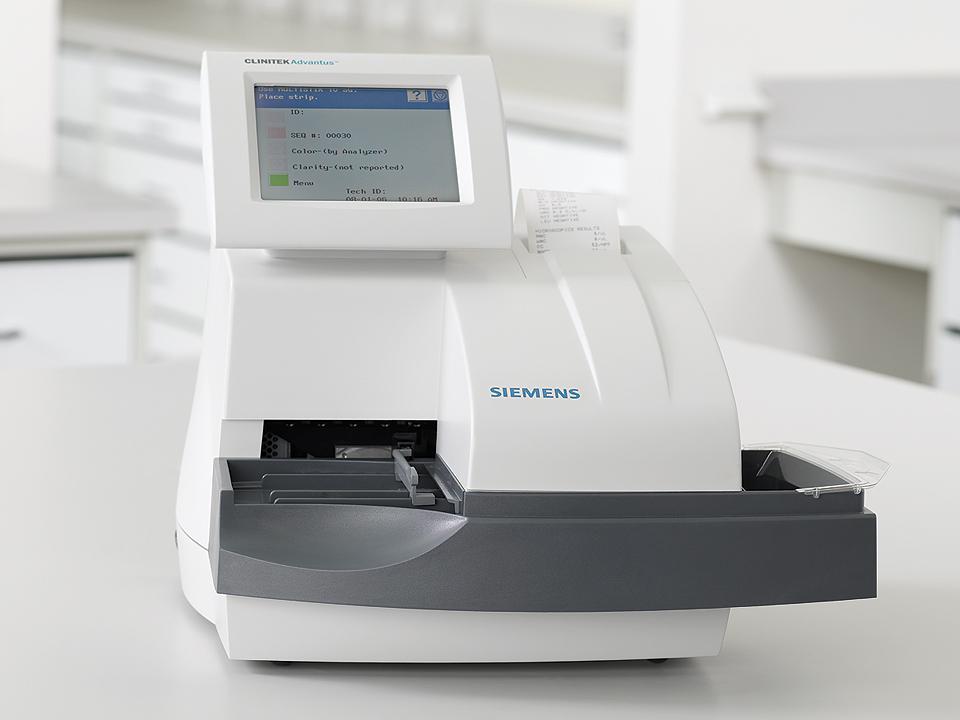
Streamlining Urine Analysis: Unleashing the Power of the Siemens Clinitek Advantus Urine Chemistry Analyzer


The Importance of Urine Chemistry Analyzers in Diagnostic Medicine: An In-Depth Overview

Introduction:

Urinalysis is a fundamental test that plays a crucial role in diagnostic medicine. By analyzing urine samples, healthcare professionals can obtain valuable information about a patient's health. This article aims to explain the significance of urine chemistry analyzers and how they assist in diagnosing and monitoring various medical conditions.

Understanding the Working Principle:

Urine chemistry analyzers utilize a computer-controlled system to measure and analyze the chemical composition of urine accurately. The process involves gathering color information from reagent blocks on a test strip. By converting this data into electrical signals and comparing it with a standard curve, the analyzer provides information about the presence and concentration of different substances in the urine.

The Role of Imaging and Software:

When urine is processed through the analyzer's flow cell, a digital camera captures images of the urine, which are then transmitted to a computer for analysis. Specialized software classifies and displays these images, allowing the operator to thoroughly examine and interpret the urine sample. This interactive process aids in the diagnosis and monitoring of various medical conditions.

Understanding the Siemens Clinitek Advantus Urine Chemistry Analyzer:

The Siemens Clinitek Advantus Urine Chemistry Analyzer is a versatile device designed to analyze multiple parameters in urine samples. These parameters include pH, glucose, protein, ketones, bilirubin, urobilinogen, nitrite, leukocyte esterase, and specific gravity. The analyzer employs reagent test strips and reflectance photometry to measure the levels of these substances, providing fast, accurate, and reliable results.

Features and Benefits of the Clinitek Advantus Analyzer:

Streamlined Workflow with Flexible Operation:

The analyzer offers quick start-up, automatic calibration, and network compatibility, enabling seamless integration into existing laboratory systems. These features enhance efficiency and simplify the testing process.

Extensive Range of Options:

Users can choose from various test strip configurations, facilitating one-touch switching between different tests. This flexibility saves time and ensures the right tests are conducted promptly.

Added QC Features:

The analyzer prompts users to run quality control tests and implements a test lock-out if QC is not performed. These features enhance the accuracy and reliability of the results, ensuring high-quality outcomes.

Consistent and Dependable Results:

The device utilizes auto-checks for strip recognition and humidity exposure, preventing false results and improving data integrity. The accuracy and reliability of the Clinitek Advantus Analyzer make it a trusted tool for healthcare professionals.

Easy-to-Use Color Touchscreen:

The analyzer features an intuitive color touchscreen interface, simplifying operation and navigation through various functions. This user-friendly design ensures quick adaptation and ease of use for healthcare professionals.

Consolidated Microscopy Results and Sieve Functions:

The analyzer consolidates microscopy results onto one patient record, streamlining the reporting process. It also offers sieve functions to flag abnormal results, aiding efficient analysis and interpretation of test results.

Convenient Data Retrieval and Workflow Enhancement:

With the capability to retrieve data for up to 500 patients and 200 control results, the analyzer enhances workflow efficiency. Users can access patient information quickly, ensuring crucial data is readily available.

Wide Range of Assays:

The Clinitek Advantus Analyzer reads the STIXTM family of urine strips and can measure a comprehensive range of parameters. This extensive assay menu provides a comprehensive overview of a patient's urinary health.

Conclusion:

Urine chemistry analyzers, such as the Siemens Clinitek Advantus Analyzer, have revolutionized the field of diagnostic medicine. These devices simplify the testing process, provide accurate and reliable results, and offer valuable insights into a patient's health. By utilizing such analyzers, healthcare professionals can diagnose medical conditions, monitor treatments, and ultimately improve patient care and healthcare outcomes.

The Importance of Urinalysis in Diagnostic Medicine:

Urinalysis is a vital test used to detect and manage various disorders, including urinary tract infections, kidney disease, and diabetes. The test examines the appearance, concentration, and content of urine to identify any abnormalities that may indicate an underlying medical condition. By performing urinalysis, healthcare professionals can check overall health, diagnose medical conditions, and monitor existing conditions. This test provides valuable information for informed decision-making regarding diagnosis, treatment, and ongoing monitoring of urinary system-related conditions.

In summary, urine chemistry analyzers and urinalysis play a crucial role in diagnostic medicine. These tools provide healthcare professionals with accurate and reliable results, aiding in the diagnosis, monitoring, and treatment of various medical conditions.

The Siemens Clinitek Advantus Urine Chemistry Analyzer stands out for its user-friendly features and ability to meet the demands of increased productivity and quality. By utilizing these advanced devices, healthcare providers can enhance patient care and improve healthcare outcomes.

Siemens Clinitek Advantus Analyzer: Global Spec Sheet for Point-of-Care Urine Analysis

Revolutionizing Critical Care Analysis: Introducing the Prime Plus Analyzer with Advanced Features and Easy Maintenance

The Stat Profile Prime Plus is a really important tool in critical care settings. It's designed to analyze a wide range of parameters in the blood, like metabolites, electrolytes, CO-Oximetry, and blood gases. By doing so, it provides healthcare professionals with valuable information about a patient's condition.

One of the great things about the Stat Profile Prime Plus is its convenience. It's a compact and user-friendly device that can easily be incorporated into the workflow of healthcare providers. This means that they can quickly and efficiently obtain the necessary results to make informed decisions about patient care.

The analyzer also stands out because of its advanced technology. It uses maintenance-free component cartridge technology for reagents and sensors, making it hassle-free and reducing the need for frequent maintenance. Additionally, it features new, patented non-lysing and maintenance-free whole blood CO-Oximetry technology, which further enhances its accuracy and reliability.

When time is of the essence, the Stat Profile Prime Plus delivers rapid results. Within just about a minute, healthcare providers can obtain a complete test menu panel, which includes a comprehensive set of results. This means they can swiftly assess a patient's condition and take appropriate actions without unnecessary delays.

Another key advantage of the Stat Profile Prime Plus is its robust data management system. It seamlessly integrates with existing systems and supports bidirectional connectivity. This enables healthcare professionals to easily access and share patient information, facilitating effective communication and collaboration.

Furthermore, the analyzer prioritizes cybersecurity. It has built-in measures to protect patient data and ensure complete security. This is crucial in today's digital world, where patient privacy and data protection are paramount.

Overall, the Stat Profile Prime Plus is an essential tool that empowers healthcare professionals in critical care settings. It provides quick and accurate results, simplifies workflows, and ensures the security of patient information. With its advanced features and ease of use, it plays a vital role in delivering quality care to patients.

The Nova MicroSensor Card™ technology is quite impressive.It's used in the Stat Profile Prime Plus, which has the most comprehensive critical care menu you can find. This menu includes a bunch of important parameters like PO2, PCO2, pH, Hct, tHb, Na, Cl, K, iCa, TCO2, iMg, Glu, Lac, Urea (BUN), Creat, SO2%, O2Hb, COHb, MetHb, HHb, HbF*, and tBil*.

Now, what's interesting is that Nova Biomedical's MicroSensor cards integrate all 22 whole blood assays, including CO-Oximetry. These cards are designed to be compact and maintenance-free, using Nova's well-established technology in a sensor card format.

But wait, there's more! The Stat Profile Prime Plus also introduces some important new assays. It now offers options for assessing kidney function. You see, over 50% of patients admitted to the ICU end up experiencing some stage of acute kidney injury (AKI). To tackle this, the analyzer provides tests for creatinine (plus eGFR) and whole blood urea (BUN), which give healthcare professionals a quick way to assess kidney function.

So, with the Stat Profile Prime Plus and its innovative MicroSensor Card technology, healthcare providers have a comprehensive and convenient tool to monitor critical care parameters and assess kidney function swiftly and accurately.

Let's talk about ionized magnesium (iMg) and its significance. You see, maintaining a proper balance of electrolytes like iCa, iMg, K, and Na is crucial for a healthy heart. When these electrolytes get out of balance, it can lead to reduced cardiac contraction, cardiac arrhythmias, and even cardiac arrest.

Now, here's where the Stat Profile Prime Plus comes in. It's not your average blood gas analyzer. It goes the extra mile by providing a complete profile of electrolytes, including iMg. This means healthcare professionals can get a comprehensive view of the patient's electrolyte status, which is essential for effective monitoring and treatment.

By offering iMg measurement alongside other electrolytes, the Stat Profile Prime Plus enables healthcare providers to better assess and manage patients' cardiac health. It's all about ensuring that everything is in balance to keep that heart ticking properly.

Let's now talk about the estimated plasma volume (ePV) and why it's so important. You see, the Prime Plus analyzers have this amazing ability to tell you the estimated plasma volume in a patient's blood. It's a test that gives us crucial information about their hydration status by assessing the intravascular fluid content.

Now, why is this important, you might wonder? Well, the patient's plasma volume status is actually a top priority when it comes to managing various medical conditions. Think about sepsis, shock, chronic pulmonary disease, kidney disease (both chronic and acute), congestive heart failure, and even postoperative care. Monitoring the plasma volume can really make a difference in these cases.

When it comes to reporting, the Prime Plus analyzer uses something called the Strauss equation. It's a fancy equation that takes into account the measured hematocrit and measured hemoglobin to determine the ePV. So, it's pretty smart!

But here's something interesting: if we measure the ePV repeatedly over time, it can be incredibly beneficial. It gives us a better understanding of any changes happening and helps us make more informed decisions about fluid therapy for the patient. So, tracking the change in plasma volume (ΔPV) can really support their treatment.

To sum it up, these Prime Plus analyzers with their ePV reports are incredibly useful tools. They help us assess the patient's hydration status and make informed decisions about fluid therapy in various medical conditions. It's all about keeping an eye on that plasma volume and ensuring the best care for the patient.

Let's discuss about the awesome features of the Prime Plus analyzer and how they benefit healthcare professionals.

New disposable CO-Oximetry technology eliminates maintenance: The Prime Plus analyzer has this cool new technology that makes maintenance a breeze. It uses a patented multi-wavelength optical system to scan a constant spectrum of optical wavelengths.

What's great is that it can give you a complete CO-Oximetry panel result without the need to lyse the sample.

The optical components that come into contact with blood are kept in a disposable sensor card, so no more cleaning and deproteinizing.

CO-oximetry test menu and fast stat results:

The analyzer offers a range of critical care tests, including HHb, MetHb, COHb, O2Hb, tHb, tBil*, and HbF*. (*Availability may vary by market.)
And guess what? You can get these results super fast! The Prime Plus analyzer can deliver up to 24 critical care tests in just about a minute.

Clot protection and bidirectional connectivity:

Another cool feature is the Clot Block™ sample flow path. It's designed to protect the sensor cards from blood clot blockages.
The Prime Plus analyzer also has bidirectional connectivity with NovaNet middleware, which allows easy management of test results for managers and clinicians.
You can retrieve the results precisely and quickly whenever and wherever you need them.

Comprehensive cybersecurity protection:

Lastly, the Prime Plus analyzer takes your data security seriously. It comes with comprehensive cybersecurity protection and encryption.
This means you're protected against any attempts to access your hospital's network without authorization.

So, with the Prime Plus analyzer, you get hassle-free maintenance, a comprehensive CO-oximetry test menu, fast stat results, clot protection, convenient connectivity, and top-notch data security. It's designed to make critical care analysis easier, faster, and more reliable for healthcare professionals like you.

Enhancing Patient Care: Exploring the Power of Whole Blood Analysis with the Stat Profile Prime Plus

Monday, May 29, 2023

Revolutionizing Road Safety: Harnessing Software and Artificial Intelligence for Effective Traffic Safety Measures"


Artificial intelligence (AI) and software technologies have revolutionized various aspects of our lives, and one area where they are making a significant impact is traffic safety. With the increasing number of vehicles on the roads and the inherent risks associated with human error, utilizing AI and software to enhance traffic safety has become a priority for transportation authorities and researchers.

These technologies offer innovative solutions to predict accidents, prevent collisions, optimize traffic flow, and monitor road conditions. By leveraging AI algorithms, predictive analytics, and advanced sensors, we can create a safer road environment for both drivers and pedestrians.

Here in my blog post we will explore how AI and software are being employed to improve traffic safety, highlighting various applications and their potential impact on reducing accidents and creating more efficient road systems.

Using AI and Software to Improve Traffic Safety

Predictive Analytics

AI can analyze traffic data to identify patterns and predict accident-prone areas. This information helps deploy safety measures like speed bumps or traffic lights strategically.

Self-Driving Cars

Self-driving cars employ sensors and AI algorithms to navigate without human input. They reduce accidents caused by human error, potentially making roads much safer.

Crash Avoidance Systems

Crash avoidance systems use AI and sensors to detect potential collisions and warn drivers. They can also take evasive action automatically, such as applying brakes, to prevent accidents.

Intelligent Traffic Lights

Intelligent traffic lights use sensors and AI to adjust timings based on traffic conditions. This technology improves traffic flow, reduces congestion, and enhances safety.

Road Condition Monitoring

AI can monitor road conditions, identifying hazards like potholes and cracks. This data enables proactive maintenance to prevent accidents caused by poor road conditions.

Identify and Track Aggressive Drivers

AI analyzes driver behavior to identify aggressive drivers. This information can be used to warn other drivers or take appropriate enforcement action.

Enforce Traffic Laws

AI can automatically detect traffic violations like speeding or running red lights. This information facilitates issuing citations or initiating other enforcement measures.

Educate Drivers

AI can generate educational materials about traffic safety, assisting drivers in learning safe driving practices and accident avoidance.

The Potential Impact of AI on Traffic Safety

AI has the potential to make a significant impact on traffic safety. By analyzing data, identifying patterns, and predicting risks, AI enhances road safety for all road users. As AI technology continues to advance, we can expect even more innovative applications to further improve traffic safety.

Self-driving cars represent a promising technological advancement that holds the potential to revolutionize traffic safety and management. As we continue to develop and refine this technology, the impact on our roads could be transformative. Here are some ways in which self-driving cars could contribute to safer roads:

Minimized human error: Human error is a leading cause of traffic accidents, accounting for a staggering 94% of incidents, as reported by the National Highway Traffic Safety Administration (NHTSA). Self-driving cars, by eliminating the element of human error, have the potential to significantly reduce accidents, injuries, and fatalities on the roads.

Enhanced reaction time: Self-driving cars possess superior reaction times compared to human drivers. With their advanced sensors and algorithms, they can swiftly respond to potential hazards, such as other vehicles, pedestrians, and animals. This heightened responsiveness can help prevent accidents and mitigate their severity.

Constant awareness: Self-driving cars maintain continuous awareness of their surroundings, constantly monitoring the movements of nearby vehicles and pedestrians. This comprehensive understanding enables them to make well-informed decisions regarding braking, acceleration, and lane changes. Consequently, accidents can be prevented, and traffic congestion can be alleviated.

Improved traffic flow: Through inter-vehicle communication and coordinated maneuvers, self-driving cars can optimize traffic flow and reduce congestion. By synchronizing their actions, these vehicles could collectively adjust speeds or halt simultaneously to avoid bottlenecks, promoting smoother traffic movement.

Beyond enhancing traffic safety, self-driving cars also hold potential for improved traffic management. Consider the following examples:

a. Traffic data collection: Self-driving cars can gather real-time data about traffic conditions, contributing to a comprehensive understanding of road dynamics. This information can be utilized to optimize traffic flow, identify congestion hotspots, and implement targeted solutions.

b. Accessibility and mobility services: Self-driving cars have the potential to provide transportation services to individuals who are unable to drive themselves, such as the elderly or people with disabilities. By offering reliable and accessible mobility options, self-driving cars can enhance inclusivity and support greater independence for various populations.

While self-driving cars offer promising advancements, it is essential to acknowledge that they are still in the early stages of development. There remain challenges and considerations that need to be addressed before widespread deployment can be achieved. Nonetheless, the ongoing progress and potential of self-driving cars offer a glimpse into a future where roads are safer, more efficient, and accessible for all.

Self-driving cars are a transformative technology that has the potential to revolutionize traffic safety and management. While still in their early stages of development, they hold great promise in making our roads significantly safer. Here are some ways in which self-driving cars could contribute to improving road safety:

Minimized Human Error: Human error is a major factor in traffic accidents, accounting for a large majority of incidents. By eliminating the human element from driving, self-driving cars can help reduce accidents caused by factors such as distracted driving, impaired judgment, or fatigue.

Enhanced Reaction Time: Self-driving cars are equipped with advanced sensors and algorithms that enable them to react much faster than human drivers. They can swiftly detect and respond to potential hazards, potentially preventing accidents and reducing the severity of collisions.

Constant Awareness: Self-driving cars have a continuous awareness of their surroundings. They use an array of sensors and cameras to monitor the road, other vehicles, and pedestrians. This comprehensive awareness allows them to make informed decisions, such as adjusting speed or changing lanes, to avoid potential accidents.

Improved Traffic Flow: Self-driving cars can communicate and coordinate with each other, leading to improved traffic flow and reduced congestion. Through synchronized movements and optimized routing, they can adapt to changing traffic conditions, reducing the likelihood of bottlenecks and traffic jams.

Additionally, self-driving cars have the potential to contribute to traffic management in the following ways:

Data Collection: Self-driving cars can collect real-time data on traffic patterns, road conditions, and congestion levels. This data can be used to optimize traffic management strategies and improve overall traffic flow.

Accessibility: Self-driving cars can provide transportation solutions for individuals who are unable to drive themselves, such as the elderly or people with disabilities. This increased accessibility can enhance mobility options and improve quality of life for various segments of the population.

While self-driving cars offer tremendous potential for enhancing traffic safety and management, there are still challenges and considerations that need to be addressed before their widespread adoption. These include regulatory frameworks, infrastructure requirements, and public acceptance. Nonetheless, the ongoing advancements in self-driving car technology are paving the way for a future with safer roads and more efficient transportation systems.

Enhancing Road Safety with Crash Avoidance Systems

Crash avoidance systems play a crucial role in helping drivers prevent or mitigate the severity of accidents. These systems leverage a range of sensors, including radar, cameras, and lidar, to identify potential hazards and alert the driver. Some crash avoidance systems go a step further by autonomously taking corrective measures such as braking or steering to avoid collisions.

Various types of crash avoidance systems exist, with the following being among the most prevalent:

Forward collision warning (FCW): FCW systems use radar or cameras to detect vehicles ahead and issue warnings when the distance between vehicles becomes too close.

Automatic emergency braking (AEB): AEB systems employ radar or cameras to sense objects in the vehicle's path and automatically apply the brakes if the driver fails to respond promptly.

Lane departure warning (LDW): LDW systems utilize cameras to monitor lane position and alert the driver if the vehicle drifts out of its designated lane.

Blind spot monitoring (BSM): BSM systems rely on radar technology to detect vehicles in the driver's blind spots, issuing warnings if a lane change could result in a collision.

Pedestrian detection: Pedestrian detection systems leverage cameras to identify pedestrians in the vehicle's vicinity and warn the driver if there is a potential risk of collision.

The effectiveness of crash avoidance systems is well-documented. According to the National Highway Traffic Safety Administration (NHTSA), these systems can reduce crash risk by up to 50%.

Real-world examples further highlight the potential of crash avoidance systems in preventing accidents:

In California, a driver relying on a forward collision warning system was alerted to a stationary vehicle ahead, allowing her to stop in time and avoid a collision.

In Florida, an automatic emergency braking system detected an impending rear-end collision and automatically applied the brakes, preventing a crash. In Texas, a driver using a lane departure warning system received a prompt when drifting out of the lane, enabling her to correct the course and avert a collision.

Crash avoidance systems are increasingly commonplace in new vehicles. In 2020, approximately 70% of new cars sold in the United States were equipped with at least one crash avoidance system. As technology continues to advance, we can anticipate the integration of more sophisticated crash avoidance systems in future vehicles, further improving road safety and reducing the incidence of accidents.

Transforming Traffic Management with Intelligent Traffic Lights (ITLs)

Intelligent traffic lights (ITLs represent a revolutionary approach to traffic management, utilizing sensors and software to dynamically adjust their timing based on real-time traffic conditions. These advanced systems offer numerous benefits, including improved traffic flow, reduced congestion, and enhanced safety by minimizing accidents. Let's explore how ITLs can contribute to a safer and more efficient transportation system:

Alleviating Traffic Congestion: ITLs excel at optimizing traffic light timings to align with the actual flow of vehicles. By dynamically adjusting signal durations, ITLs can reduce congestion and facilitate smoother travel for vehicles, ensuring a more efficient commute.

Enhancing Traffic Flow: ITLs have the capability to coordinate the timing of traffic lights at multiple intersections. This coordination prevents unnecessary stopping and starting of vehicles, enabling a continuous flow of traffic. As a result, journey times can be significantly reduced.

Minimizing Accidents: ITLs are equipped with the ability to detect hazardous situations, such as traffic jams or accidents. By promptly recognizing these incidents, ITLs can implement appropriate responses, such as altering signal timings or redirecting traffic flow. These proactive measures aid in minimizing accidents and mitigating their impact.

ITLs have been implemented successfully in cities across the globe, demonstrating their efficacy in improving traffic safety and management. Some notable examples include:

New York City: ITLs have been operational in New York City since the early 2000s. With over 10,000 ITLs installed, the city has experienced up to a 20% reduction in traffic congestion, greatly improving overall traffic conditions.

London: London embraced ITLs in 2007, deploying more than 6,000 of these advanced traffic lights. The city has witnessed a remarkable 15% decrease in traffic congestion, contributing to a smoother and more efficient traffic flow.

Singapore: Since 2008, Singapore has employed over 5,000 ITLs, resulting in up to a 10% reduction in traffic congestion. The implementation of ITLs has significantly enhanced traffic management throughout the city.

Notably, a study conducted by the University of California, Berkeley, highlighted the effectiveness of ITLs. Findings revealed that ITLs can reduce traffic congestion by up to 20% and decrease the occurrence of accidents by up to 15%.

The integration of ITLs holds great promise for improving traffic safety and management. As technology continues to evolve, ITLs are poised to become even more efficient in optimizing traffic conditions, ultimately creating a safer and more streamlined transportation network for all.

Monitoring Road Conditions for Safer Travels

Road condition monitoring is a vital application of artificial intelligence (AI) and software that helps to ensure safer journeys for drivers. By leveraging advanced technologies, road condition monitoring systems can detect and analyze various hazards and irregularities on roads, alerting authorities and drivers to take appropriate actions. Let's explore the concept of road condition monitoring and its real-world examples:

Pothole Detection and Repair: AI-based road condition monitoring systems can identify potholes and other road surface imperfections using sensors, cameras, or even data from connected vehicles. This information is then relayed to maintenance teams or local authorities, who can promptly address these issues before they cause accidents or damage to vehicles. For instance, in cities like Los Angeles and Boston, road condition monitoring systems have been deployed to detect potholes and facilitate efficient repairs.

Surface Skid Resistance: Monitoring the skid resistance of road surfaces is crucial for ensuring optimal vehicle control and reducing the risk of accidents, particularly in wet or icy conditions. Road condition monitoring systems equipped with sensors can measure the friction coefficient of the road surface, enabling authorities to identify sections with low skid resistance and take appropriate measures to improve safety. This technology has been implemented in countries like the United Kingdom and Sweden to proactively manage road surface conditions.

Weather-Adaptive Road Maintenance: Road condition monitoring systems can integrate weather data to assess how different weather conditions affect road surfaces. By analyzing data on temperature, humidity, and precipitation, these systems can predict the impact of weather on road conditions and optimize maintenance strategies accordingly. This proactive approach allows authorities to allocate resources effectively and ensure road safety during inclement weather. Examples of such implementations can be found in regions with varying climates, including Norway and Canada.

Real-Time Incident Detection: Road condition monitoring systems can be equipped with AI algorithms to identify incidents or obstructions on the road, such as accidents, debris, or fallen objects. By analyzing data from surveillance cameras or connected vehicles, these systems can swiftly detect and notify authorities, enabling prompt response and reducing the risk of further accidents. Major cities worldwide, including Tokyo and London, utilize such technologies to enhance incident detection and management.

Road condition monitoring systems have proven to be effective in ensuring safer travels and preventing accidents. By leveraging AI and software, these systems contribute to early detection and timely resolution of road hazards. Through real-time data analysis, authorities can proactively address road conditions, reducing the risk of accidents, improving driver experience, and minimizing infrastructure damage.

As technology continues to advance, road condition monitoring systems are expected to become more sophisticated, providing even more accurate and detailed information to enhance road safety for all travelers.

Conclusion:

The use of software and artificial intelligence (AI) in traffic safety measures has the potential to revolutionize the way we manage and improve road safety. From predictive analytics to self-driving cars, crash avoidance systems, intelligent traffic lights, and road condition monitoring, AI-driven technologies are transforming the transportation landscape.

By harnessing the power of AI and software, traffic safety measures can be more proactive, responsive, and effective in preventing accidents and reducing risks on the road. These technologies enable us to address the primary cause of accidents—human error—by introducing advanced systems that are not susceptible to lapses in attention, fatigue, or distractions.

Moreover, AI-driven solutions enhance reaction times, constant awareness, and decision-making capabilities, resulting in improved safety for drivers, passengers, pedestrians, and cyclists. They optimize traffic flow, reduce congestion, and minimize delays, leading to smoother and more efficient transportation systems.

The real-world examples demonstrate the practical application and success of these technologies. Whether it is the deployment of self-driving cars, implementation of crash avoidance systems, utilization of intelligent traffic lights, or the adoption of road condition monitoring, the positive impact on traffic safety is evident.

However, it is crucial to acknowledge that these technologies are still in development, and challenges need to be addressed before widespread implementation. Ensuring robust cybersecurity, refining algorithms, addressing legal and ethical considerations, and building public trust are among the key areas that require continued attention.

As we move forward, the continued advancement of AI and software will unlock new possibilities in traffic safety measures. By leveraging data, connectivity, and intelligent systems, we can strive for a future where accidents and fatalities on the road become increasingly rare occurrences.

Ultimately, the use of AI and software in traffic safety measures offers tremendous potential to create safer, more efficient, and sustainable transportation systems, benefiting individuals, communities, and society as a whole. It is a journey towards a future where our roads are safer, accidents are minimized, and every traveler can enjoy a secure and seamless journey.

Sunday, May 28, 2023

Transportation Demand Management (TDM): A Guide to Reducing Traffic Congestion and Improving Air Quality

Transportation demand management (TDM) is a set of strategies and policies that are used to reduce the need for travel, or to shift travel to more efficient modes. TDM can be used to address a variety of transportation challenges, including traffic congestion, air pollution, and climate change.

TDM strategies can be divided into three main categories:

TDM strategies can be divided into three main categories:

Incentives:

TDM incentives are designed to make it more attractive for people to choose alternative modes of transportation.Examples of TDM incentives include:

Free or discounted transit passes
Carpool or vanpool matching services
Commuter tax credits

Information:

TDM information programs are designed to help people make informed transportation choices. Examples of TDM information programs include:

Trip planning websites and apps
Travel demand surveys
Public awareness campaigns

Regulations:

TDM regulations are designed to restrict or discourage certain types of travel. Examples of TDM regulations include:

Work-from-home policies Peak-hour parking restrictions High-occupancy vehicle (HOV) lanes

Here are some examples of TDM strategies and the benefits they offer:

Parking management can be used to discourage single-occupancy vehicle use by making it more difficult and expensive to park. This can be done by reducing the number of parking spaces, increasing the cost of parking, or making it more difficult to find parking.

For example, the city of San Francisco has implemented a number of parking management strategies, including a congestion pricing program that charges drivers a fee to enter certain areas during peak hours. This program has been shown to reduce traffic congestion by up to 15%.

Telework allows employees to work from home, which reduces the number of cars on the road. Telework can be implemented on a voluntary or mandatory basis.

For example, the city of Boston has a mandatory telework program that requires all city employees to work from home at least two days per week. This program has been shown to reduce traffic congestion by up to 10%.

Carpooling and vanpooling allow multiple people to share a ride to work, which reduces the number of cars on the road. Carpooling and vanpooling can be organized by employers or by private companies.

For example, the city of Los Angeles has a carpool matching program that helps people find carpool partners. This program has been shown to increase the number of carpoolers by up to 20%.

Vanpools are vans that are shared by multiple people who travel to work together. Vanpools can be organized by employers or by private companies.

Exmples of vanpools:

"Commute Options" is a vanpool service that operates in California, Oregon, and Washington. Commute Options provides vans, insurance, and maintenance for vanpools.

"Vanpool Solutions" is a vanpool service that operates in the San Francisco Bay Area. Vanpool Solutions provides vans, insurance, and maintenance for vanpools.

"Commuter Connection" is a vanpool service that operates in the Washington, D.C. metropolitan area. Commuter Connection provides vans, insurance, and maintenance for vanpools.

Vanpools can be a great way to reduce traffic congestion and improve air quality. They can also be a more affordable way to commute than driving a car. If you are interested in starting a vanpool, you can contact one of the vanpool services listed above.

Commuter benefits provide financial incentives to employees who choose to use alternative transportation modes, such as public transportation, biking, or walking. Commuter benefits can include subsidies for transit passes, bike shares, or parking fees.

For example, the state of California offers a commuter benefits program that allows employees to set aside pre-tax money to pay for transportation costs. This program has been shown to increase the use of alternative transportation modes by up to 15%.

Commuter tax credits

Some examples of commuter tax credits:

Commuter transit benefits: This credit allows employees to deduct the cost of public transportation passes and vanpool fees from their taxable income. The maximum deduction is $280 per month.

Parking reimbursement: This credit allows employees to deduct the cost of parking at or near their workplace from their taxable income. The maximum deduction is $250 per month.

Bicycle commuting reimbursement: This credit allows employees to deduct the cost of bicycle commuting expenses from their taxable income. The maximum deduction is $20 per month.

To claim these credits, employees must itemize their deductions on their tax return. They must also keep records of their commuting expenses, such as receipts or a log of their commuting costs.

Information: TDM information programs are designed to help people make informed transportation choices.

Examples of TDM information programs include:
Trip planning websites and apps
Travel demand surveys

Trip planning websites and apps can help people find the best way to get from one place to another. These websites and apps can provide information on public transportation, bike paths, and walking routes. Some examples of trip planning websites and apps include Google Maps, Waze, and Transit.

Public awareness campaigns

Regulations: TDM regulations are designed to restrict or discourage certain types of travel. Examples of TDM regulations include: Work-from-home policies Peak-hour parking restrictions High-occupancy vehicle (HOV) lanes

Public awareness campaigns can be used to educate the public about the benefits of TDM and encourage people to make changes to their transportation habits. Public awareness campaigns can be conducted through a variety of channels, such as print, television, radio, and social media.

For example, the city of New York has launched a public awareness campaign called "Get Out of Your Car Day" that encourages people to leave their cars at home on one day each year. This campaign has been shown to increase the number of people who walk, bike, or take public transportation on that day. TDM can be a cost-effective way to improve transportation performance. For example, a study by the Texas Transportation Institute found that TDM programs can reduce traffic congestion by up to 20%. TDM can also help to improve air quality and reduce greenhouse gas emissions.

TDM is an important part of a comprehensive transportation strategy. By reducing the need for travel and shifting travel to more efficient modes, TDM can help to make our transportation systems more sustainable and equitable.

Public awareness campaigns can be used to educate the public about the benefits of TDM and encourage people to make changes to their transportation habits. Public awareness campaigns can be conducted through a variety of channels, such as print, television, radio, and social media.

For example, the city of New York has launched a public awareness campaign called "Get Out of Your Car Day" that encourages people to leave their cars at home on one day each year. This campaign has been shown to increase the number of people who walk, bike, or take public transportation on that day.

TDM can offer a number of benefits, including:

Reduced traffic congestion: TDM can help to reduce traffic congestion by reducing the number of vehicles on the road.
Improved air quality: TDM can help to improve air quality by reducing emissions from vehicles.
Reduced greenhouse gas emissions: TDM can help to reduce greenhouse gas emissions by reducing the number of vehicles on the road.
Increased economic activity: TDM can help to increase economic activity by making it easier for people to get to work and other destinations.
Improved public health: TDM can help to improve public health by encouraging people to be more active and by reducing air pollution.

Challenges of TDM

TDM can also face a number of challenges, including:

Cost: TDM programs can be expensive to implement and operate.
Political support: TDM programs may not have the support of elected officials or the public.
Public acceptance: TDM programs may not be accepted by the public, especially if they involve restrictions on travel.

Artificial intelligence (AI) and computer software can help with TDM strategies in a number of ways, including:

Data collection and analysis: AI can be used to collect and analyze large amounts of data, which can be used to identify patterns and trends that may not be visible to humans. This information can then be used to develop and improve TDM strategies.

Predictive modeling: AI can be used to develop predictive models that can be used to predict traffic patterns and demand. This information can then be used to optimize traffic signals and other TDM measures.

Real-time traffic management: AI can be used to monitor traffic conditions in real time and adjust TDM measures accordingly. This can help to improve traffic flow and reduce congestion.

Public outreach: AI can be used to develop and deliver public outreach campaigns that can help to educate the public about TDM strategies and how they can benefit them.

Overall, AI and computer software can play a significant role in helping to improve the effectiveness of TDM strategies. By collecting and analyzing data, developing predictive models, and managing traffic in real time, AI can help to reduce congestion, improve air quality, and make our cities more livable.

Here are some specific examples of how AI and computer software are being used to help with TDM strategies:

In Singapore, AI is being used to develop a predictive traffic model that can be used to optimize traffic signals. This model is expected to reduce traffic congestion by up to 20%.

In London, AI is being used to monitor traffic conditions in real time and adjust traffic signals accordingly. This system has been credited with reducing congestion by up to 15%.

In New York City, AI is being used to develop a public outreach campaign that educates the public about the benefits of TDM strategies. This campaign is expected to increase public support for TDM measures.

These are just a few examples of how AI and computer software are being used to help with TDM strategies. As AI technology continues to develop, we can expect to see even more innovative and effective ways to use AI to improve traffic flow and make our cities more livable.

Conclusion

Transportation Demand Management (TDM) strategies offer significant potential in addressing transportation challenges and creating sustainable and equitable transportation systems.

While TDM faces challenges, such as cost and public acceptance, the benefits it provides outweigh the costs. Furthermore, the integration of AI and computer software into TDM enhances its effectiveness by enabling data-driven decision-making, predictive modeling, real-time traffic management, and improved public outreach campaigns. The examples from Singapore, London, and New York City demonstrate the positive impact of AI technologies on TDM outcomes.

As AI technology continues to advance, we can anticipate further innovative solutions to optimize traffic flow and make cities more livable. By embracing AI and computer software, TDM can make substantial progress in reducing congestion, improving air quality, and enhancing overall transportation efficiency.

Beyond the Womb: Exploring the Brave New World of Artificial Wombs

 As I flipped through the morning newspaper, a particular report grabbed my attention, uncovering a captivating yet intricate frontier in re...